


Introduction
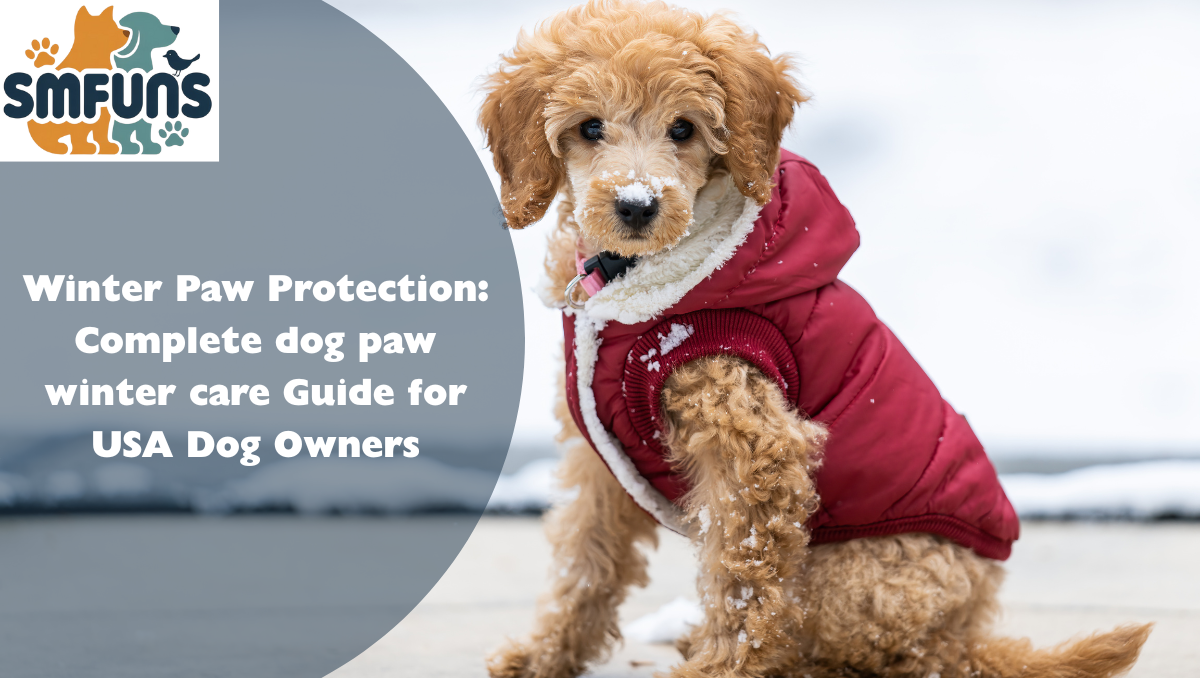
Winter walks can be beautiful, but they are extremely harsh on your dog’s paws. Ice, snow, road salt, and freezing sidewalks slowly damage paw pads without you noticing. Many USA pet owners only realize the problem when their dog starts limping, licking paws excessively, or showing cracked skin. This is why proper dog paw care in winter is not optional. It is a daily necessity that prevents painful injuries and infections before they start.
Why Winter Surfaces Damage Paw Pads
Snow looks soft, but ice crystals are sharp. When your dog walks on frozen ground, these crystals create tiny cuts on the paw pads. At the same time, freezing temperatures dry out the skin and make the pads brittle. According to the American Kennel Club, winter ground conditions are a leading cause of paw injuries in dogs (http://www.akc.org). Without consistent winter paw care for dogs, small injuries quickly become painful cracks.
Road Salt and Chemical De-Icers Are Major Threats
During winter, sidewalks and roads are covered with salt and chemical de-icers. These substances stick between your dog’s toes and cause chemical burns. The ASPCA warns that these chemicals can severely irritate pets’ paws and can be toxic if licked (http://www.aspca.org). Cleaning paws after every walk is a critical part of dog paw winter care to remove these harmful residues.
Snow Buildup Between Toes Causes Moisture Problems
Snow often clumps between the fur around your dog’s toes. When your dog comes inside, the snow melts, keeping the skin wet for a long time. Cornell veterinary experts explain that constant moisture creates the perfect environment for bacterial and fungal infections (http://www.vet.cornell.edu). Proper drying is a key step in caring for dogs’ paws in winter that many owners overlook.
Signs Your Dog Needs Better Winter Paw Care
If your dog is licking paws more than usual, limping after walks, or showing redness and cracks, winter damage has already started. PetMD explains that these early symptoms are warnings of skin irritation that can lead to infection (http://www.petmd.com). Following a daily dog paw winter care routine prevents these problems.
Why Simple Towel Wiping Is Not Enough
Many pet owners wipe paws with a towel and think the job is done. However, towels only clean the surface. Salt, dirt, and chemicals remain hidden between the toes. Using a proper paw-cleaning tool ensures deep cleaning, which is essential for effective dog paw care in winter.
Importance of Rinsing Paws with Lukewarm Water
Rinsing paws with lukewarm water after walks safely removes salt and ice particles. VCA Animal Hospitals recommends gentle rinsing to prevent winter paw irritation (http://www.vcahospitals.com). This step should be part of your regular dogpaw-care routine.
Moisturizing Paw Pads Prevents Cracks
Cold air dries paw pads quickly. Applying a pet-safe paw balm keeps the skin flexible and prevents painful cracking. Moisturizing is one of the most overlooked steps in caring for dogs’ paws in winter.
Trimming Fur Between Toes Helps Reduce Snow Buildup
Long fur traps snow and ice. The ASPCA grooming guide recommends trimming this fur during winter to reduce moisture buildup (http://www.aspca.org/pet-care/dog-care). This supports better care for dogs’ paws in winter.
Indoor Cleanliness and Paw Hygiene
Salt and bacteria from outside spread across floors and carpets. The CDC explains how outdoor contaminants can easily enter homes (http://www.cdc.gov). Cleaning paws protects both your dog and your living space while maintaining proper paw care for dogs in winter.
When Dog Boots Can Help
Dog boots provide a protective barrier on heavily salted roads. However, paws still need cleaning afterward. Boots are helpful, but they do not replace proper winter care for dogs’ paws.
Preventing Infections Before They Start
Small cracks and cuts allow bacteria to enter the skin. Cornell experts warn that untreated paw injuries often become infections (http://www.vet.cornell.edu). Daily cleaning and drying are essential parts of winter paw care for dogs.
Making Paw Cleaning Easy After Every Walk
Keeping a paw cleaner near your door turns this task into a quick habit. High-quality grooming tools and hygiene products from SMFuns make winter paw care for dogs simple, safe, and effective, without irritating sensitive paws.
Long-Term Benefits of Consistent Winter Paw Care
When you follow a daily routine, your dog avoids painful cracks, infections, and discomfort. Regular paw care for dogs in winter also reduces vet visits and keeps your dog happy during winter walks.
Conclusion
Winter conditions silently damage your dog’s paws through ice cuts, salt burns, and moisture buildup. These problems can be completely prevented with a simple daily routine. Proper dog paw winter care after every walk protects paw pads, prevents infections, and keeps your home clean. Using the right grooming tools and hygiene products from SMFuns makes this routine easy and stress-free for every dog owner in the USA.
FAQs
Rinse and clean paws after every walk and apply paw balm before going out.
Yes, moisture trapped between toes creates bacterial growth.
They help, but paw cleaning is still necessary.
After every outdoor walk.
Use a soft towel and ensure no moisture remains between the toes.