


How to Brush Dog Teeth the Right Way – The Complete USA Home Dental Care Guide
Introduction
If your dog’s breath smells bad, it is not just unpleasant. It is a warning sign. Dental disease affects most dogs in the United States by the age of three, and the solution starts with learning how to brush a dog’s teeth correctly at home. This simple habit prevents plaque buildup, protects the gums, and reduces the risk of serious health problems linked to oral bacteria. According to the American Veterinary Medical Association, consistent home dental care is the most effective way to stop periodontal disease before it becomes painful and expensive to treat. You can explore their official recommendations here: http://www.avma.org/resources-tools/pet-owners/petcare/pet-dental-care. With the right approach, tools, and routine, brushing your dog’s teeth becomes fast, easy, and completely stress-free.
Why Learning How to Brush a Dog’s Teeth Is Essential for Every USA Dog Owner
Oral health is directly connected to your dog’s overall wellness. When plaque hardens into tartar, it can move below the gumline and cause infection. Bacteria then enter the bloodstream and can damage the heart, liver, and kidneys. The American Kennel Club explains this process in detail and highlights why daily dental care is one of the most important responsibilities for dog owners: http://www.akc.org/expert-advice/health/dog-dental-care/. Dogs rarely show obvious dental pain, so problems often go unnoticed until they become severe. Learning how to brush your dog’s teeth properly helps prevent disease rather than treating it later.
When to Start Brushing Your Dog’s Teeth
The best time to start is as early as possible. Puppies adapt quickly to new routines, but adult dogs can also learn with patience and positive reinforcement. PetMD confirms that even older dogs benefit from a gradual introduction to brushing, and their complete dental care guide is available here: http://www.petmd.com/dog/general-health/dog-dental-care-home. The key is to move slowly and create a calm environment. Once brushing becomes part of your dog’s daily routine, resistance disappears, and cooperation improves.
The Tools You Need for Brushing Dog Teeth Successfully
Using the right tools makes a huge difference in comfort and effectiveness. A dog-specific toothbrush with soft bristles protects the gums while reaching the back teeth, where plaque forms most quickly. Enzymatic toothpaste is essential because it breaks down bacteria and is safe to swallow. VCA Animal Hospitals strongly advises against using human toothpaste due to its toxic ingredients. Their professional guidance can be found here: http://vcahospitals.com/know-your-pet/brushing-teeth-in-dogs. High-quality dental care tools available at SMFuns are designed to fit comfortably in your hand and make the experience gentle for your dog, helping you stay consistent with the routine.
How to Brush a Dog’s Teeth Step by Step Without Stress
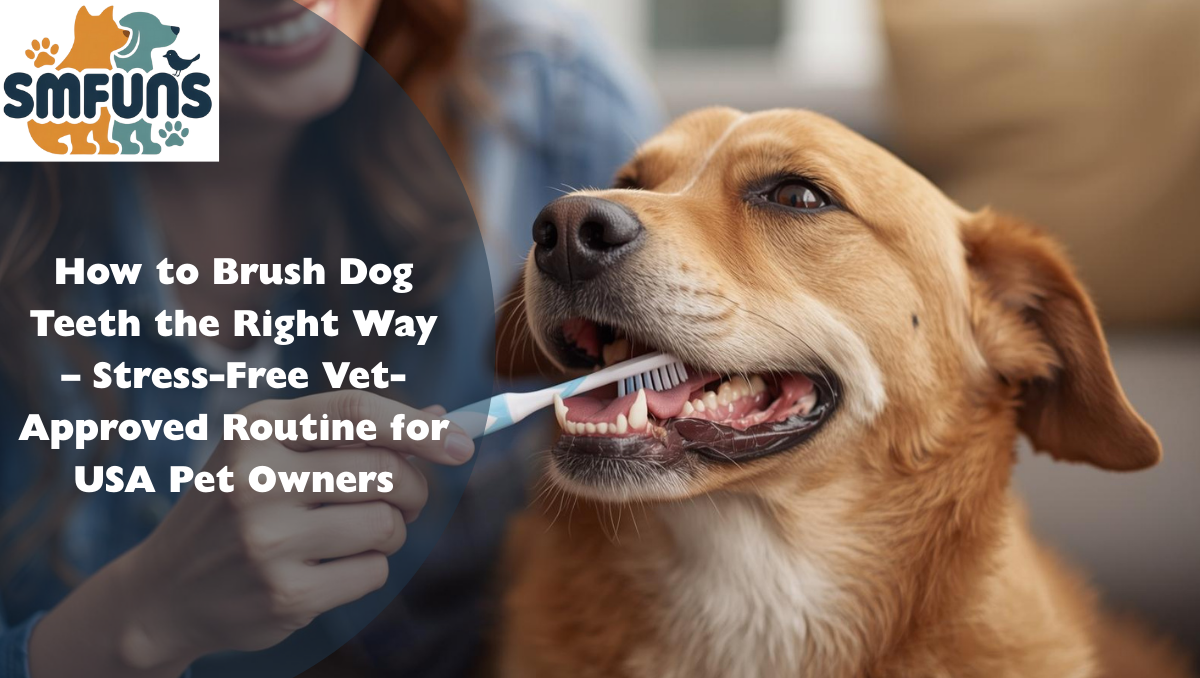
The process becomes simple when broken into small, positive steps. Start by letting your dog taste the toothpaste so they associate it with a reward. Next, gently lift the lip and touch the teeth with your finger before introducing the toothbrush. Once your dog is comfortable, use small circular motions along the gumline where plaque tends to accumulate. Focus on the outer surfaces, as dogs naturally clean the inner surfaces with their tongues. The ASPCA emphasizes the importance of patience and positive reinforcement during this process, and their behavior and care advice can be found here: http://www.aspca.org/pet-care/dog-care/general-dog-care. Learning to brush a dog’s teeth this way turns the routine into a bonding experience rather than a struggle.
How Often Should You Brush Your Dog’s Teeth
Daily brushing provides the best protection against plaque and tartar. Even brushing several times per week can improve breath and gum health. The Veterinary Oral Health Council explains that consistent plaque removal is the key to preventing periodontal disease, and its list of effective dental products is available here: http://www.vohc.org. USA pet owners who commit to a regular schedule avoid the need for frequent professional cleanings and reduce long-term veterinary costs.
Common Mistakes to Avoid When Brushing a Dog’s Teeth
Many dog owners unintentionally make brushing more difficult. Moving too fast, forcing the dog’s mouth open, or using the wrong toothpaste creates fear and resistance. Another common mistake is brushing too aggressively, which irritates the gums. The correct technique is gentle, slow, and reward-based. The Centers for Disease Control and Prevention also reminds pet owners that maintaining good hygiene habits protects both pets and humans from harmful bacteria. Their pet health resource can be found here: http://www.cdc.gov/healthypets/pets/dogs .html. Avoiding these mistakes makes the routine smoother and more effective.
How to Brush Dog Teeth for Dogs That Hate Toothbrushes
Some dogs need extra time to accept brushing. Dental wipes, finger brushes, and flavored enzymatic gels are excellent transition tools. These allow your dog to become comfortable with mouth handling before a full toothbrush is introduced. Cornell University’s College of Veterinary Medicine highlights the importance of consistent home dental care to prevent advanced disease, and its oral health principles can be reviewed here: http://www.vet.cornell.edu/departments-centers-and-institutes/cornell-feline-health-cente r. High-quality alternatives available at SMFuns help dog owners maintain daily hygiene even when their pets are still in training.
Building a Complete At-Home Canine Dental Care Routine
Brushing is the foundation, but a complete routine delivers the best results. Dental chews help reduce plaque between brushing sessions. Water additives provide all-day bacterial control. Dental sprays support gum health and fresh breath. The American Kennel Club confirms that combining multiple dental care methods provides the strongest protection against oral disease: http://www.akc.org/expert-advice/health/how-to-clean-dogs-teeth/. This approach fits perfectly into busy USA lifestyles while keeping dogs healthy and comfortable.
The Connection Between Fresh Breath and Proper Brushing
Fresh breath is the first visible sign of success. When you learn how to brush dog teeth correctly and use high-quality dental products consistently, odor-causing bacteria disappear. Healthy gums become pink instead of red, and tartar buildup slows dramatically. These changes not only improve your dog’s health but also make daily interactions more enjoyable.
How Brushing Your Dog’s Teeth Saves Money on Vet Bills
Professional dental cleanings in the United States often require anesthesia and can cost hundreds of dollars. Preventive care at home reduces the need for these procedures. More importantly, it prevents tooth extractions and infection treatments that cause pain for your dog. Investing in the right grooming and dental tools from SMFuns allows USA pet owners to provide professional-level care without the stress and expense of frequent clinical procedures.
Why USA Pet Owners Trust SMFuns for Dog Dental Care Essentials
Consistency is easier when you use products designed for comfort, safety, and real results. SMFuns offers premium dental care solutions that simplify daily routines and help dog owners stay committed to long-term oral health. These tools are designed for modern pet households seeking effective, gentle, and stress-free grooming experiences.
Conclusion
Learning how to brush a dog’s teeth is one of the most important skills you can develop as a responsible dog owner in the United States. It prevents disease, eliminates bad breath, protects vital organs, and saves thousands of dollars in future veterinary treatments. With the right technique, proper tools, and a consistent routine, brushing becomes fast, easy, and rewarding for both you and your dog. SMFuns provides high-quality dental care and grooming essentials that make this daily habit simple and effective. A few minutes each day creates a lifetime of healthier smiles, greater comfort, and a happier, more active companion.
Shop now at:
https://smfuns.com/
Call for expert guidance: +19144085788
FAQs
Daily brushing is ideal for preventing plaque and tartar, but brushing at least three times per week still provides strong protection.
Only enzymatic toothpaste made specifically for dogs should be used, as it is safe to swallow and effectively fights bacteria.
Once your dog is comfortable, the process usually takes less than two minutes.
Start slowly with finger brushes, dental wipes, or flavored gels and build positive associations before introducing a toothbrush.