


Why Every Cat Owner Must Know How to Clean Cat Teeth
Dental disease is one of the most common health problems in American cats, affecting more than 70% of felines by age three. Despite this, many pet owners are unsure how to clean their cat’s teeth safely and effectively. Left untreated, plaque and tartar buildup can lead to painful infections, tooth loss, and even systemic illness affecting the heart, liver, and kidneys. According to the American Veterinary Medical Association, maintaining daily oral hygiene is essential to prevent these complications. Using the right tools, such as the best cat dental products, makes the process stress-free and highly effective, ensuring your cat stays healthy, comfortable, and happy.
Understanding Feline Dental Health
Cats’ mouths are smaller and more delicate than dogs’, making them particularly susceptible to periodontal disease. Plaque forms shortly after eating and can harden into tartar within days. The VCA Hospitals note that tartar buildup can lead to gum inflammation, bleeding, and, if left untreated, eventual tooth loss. Even indoor cats can develop dental problems due to diet and natural bacterial growth. More information on feline oral health can be found at http://vcahospitals.com /know-your-pet/cat-health/cat-dental-disease.
Tools You Need to Clean Cat Teeth Effectively
To clean a cat’s teeth, it is crucial to have the right tools. Effective products include:
- Enzymatic toothpaste formulated for cats
- Cat-specific toothbrushes, including finger brushes and soft-bristle brushes
- Dental chews and treats to reduce plaque between brushing
- Oral gels and water additives to maintain hygiene throughout the day
PetMD emphasizes that combining brushing with dental treats and water additives provides the most comprehensive protection against oral disease. Learn more at http://www.petmd.com /cat/general-health/cat-dental-care-home.
Step-by-Step Guide on How to Clean Cat Teeth
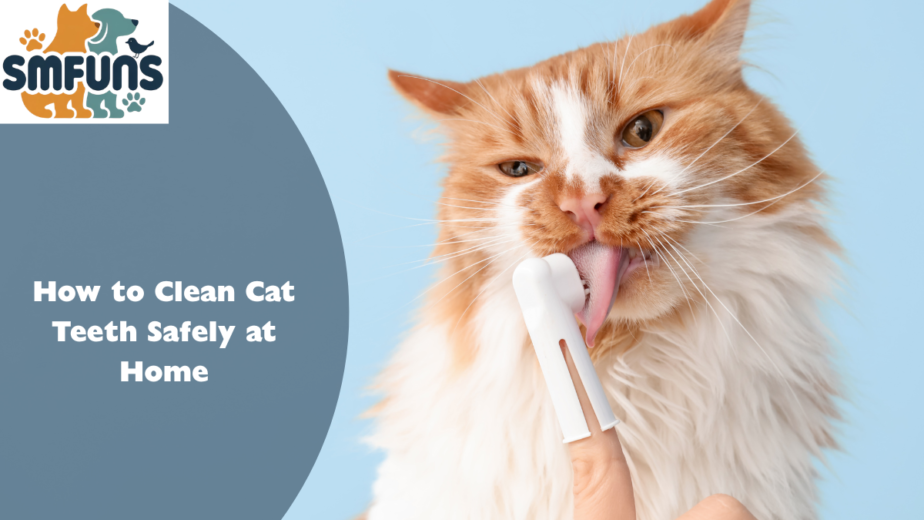
- Introduce your cat to toothpaste and brushes gradually. Let them lick a small amount of enzymatic paste first.
- Start with short sessions—just a few seconds per side—and gradually increase duration.
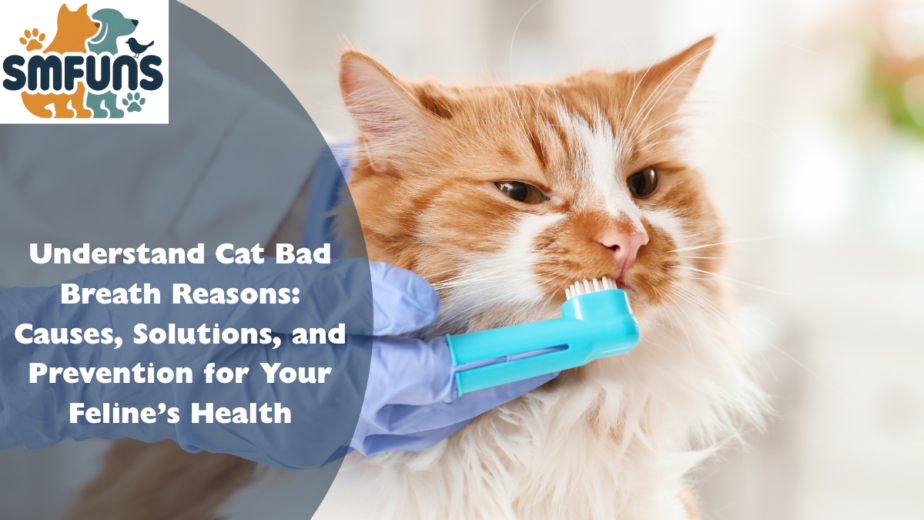
- Use a gentle, circular motion to brush all visible surfaces of the teeth and gums.
- Reward your cat with praise or a healthy treat to reinforce positive behavior.
- Incorporate dental chews and water additives daily to maintain plaque control.
The American Veterinary Medical Association provides detailed guidance on brushing techniques at http://www.avma.org /resources-tools/pet-owners/petcare/pet-dental-care.
Common Mistakes to Avoid When Cleaning Cat Teeth
Many U.S. cat owners unintentionally make brushing stressful or ineffective. Common mistakes include:
- Using human toothpaste, which is toxic to cats
- Brushing too aggressively, causing gum irritation
- Skipping hard-to-reach molars
- Brushing inconsistently, allowing plaque to harden into tartar
Avoiding these errors and using the best cat dental products ensures a safe, effective routine. The ASPCA provides additional insights on feline dental care at http://www.aspca.org /pet-care/cat-care/general-cat-care.
How Diet Impacts Dental Health
Diet plays a vital role in feline oral hygiene. Dry kibble and dental-specific diets help reduce plaque accumulation, while sugary or sticky foods accelerate bacterial growth. The CDC Healthy Pets program highlights the importance of proper nutrition in preventing oral disease and supporting overall feline health. More guidance is available at http://www.cdc.gov /healthypets/pets/cats.html.
Benefits of Professional Veterinary Dental Care
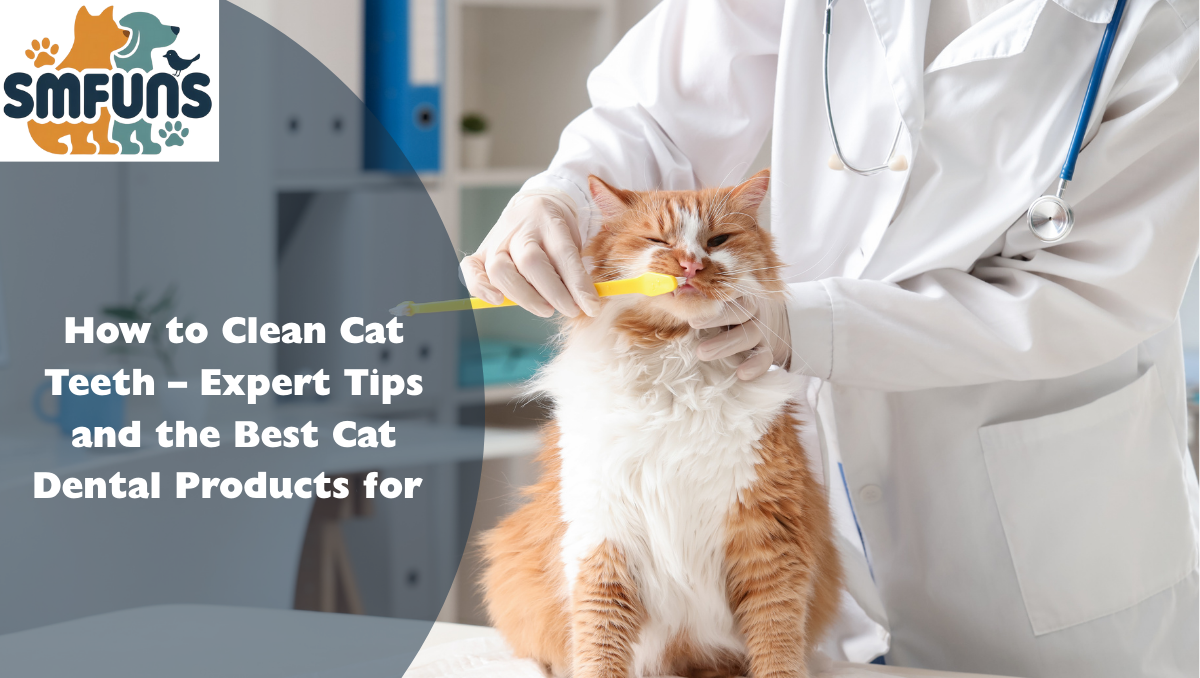
Even with diligent home care, professional cleanings are essential. Veterinarians remove hardened tartar and check for underlying issues such as fractured teeth or oral tumors. Cornell Feline Health Center notes that combining home care with professional cleaning provides the best protection against advanced periodontal disease. Learn more at http://www.vet.cornell .edu/departments-centers-and-institutes/cornell-feline-health-center/health-information/feline-health-topics/periodontal-disease.
How Consistency Prevents Dental Problems
Daily care is more important than occasional perfect brushing. Cats quickly adapt when brushing sessions are short, calm, and positive. Using a consistent routine with the best cat dental products prevents tartar buildup, keeps gums healthy, and maintains fresh breath.
Additional Products That Complement Brushing
Dental treats, oral gels, and water additives are highly effective at reaching areas that toothbrushes cannot reach. The American Animal Hospital Association emphasizes multi-step dental care as the standard for long-term oral health. More information can be found at http://www.aaha .org/your-pet/pet-owner-education/ask-aaha/dental-care.
Signs Your Cat Needs Immediate Attention
Watch for persistent bad breath, red or swollen gums, difficulty eating, drooling, or pawing at the mouth. Early intervention reduces pain, prevents costly procedures, and improves quality of life. SMFuns offers high-quality dental solutions that make this care simple and stress-free for U.S. pet owners.
Conclusion
Knowing how to clean a cat’s teeth is essential for every responsible U.S. cat owner. Daily brushing, dental chews, oral gels, and professional care combine to prevent painful infections and systemic health issues. High-quality grooming and dental products from SMFuns simplify this routine, ensuring your cat enjoys fresher breath, stronger teeth, and a healthier life. Incorporate SMFuns dental solutions into your daily routine and protect your feline companion from dental disease today.
Shop now at:
https://smfuns.com/
Call for expert guidance: +19144085788
FAQs
Daily brushing is ideal, but even a few times per week can significantly reduce plaque buildup.
No. Human toothpaste contains fluoride and other ingredients that are toxic to cats. Always use cat-specific enzymatic toothpaste.
Dental treats help reduce plaque, but should be used in combination with brushing and professional cleanings for best results.
Start as early as possible, ideally when the cat is a kitten. Adult cats can adapt gradually with patience and positive reinforcement.
Yes. Professional cleanings remove hardened tartar and detect problems that home care cannot, ensuring complete oral health.