

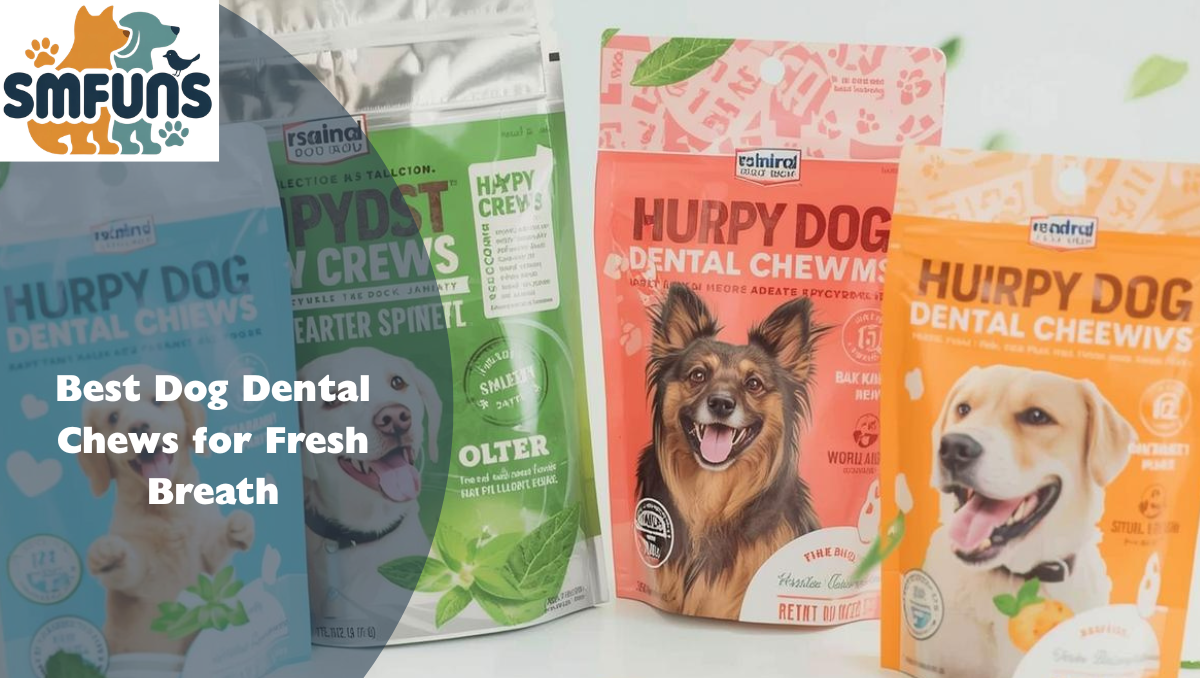
Best Dog Dental Chews for Fresh Breath
Bad breath should never be ignored. In fact, it often signals plaque buildup, gum inflammation, or early dental disease. Many USA pet owners search for the best dog dental chews because they want a simple, effective way to control odor and protect their dog’s health. The right chew does more than freshen breath. It reduces tartar, supports healthy gums, and complements daily brushing.
According to the American Veterinary Medical Association, periodontal disease affects most dogs by age three. You can review their dental care guidance at http://www.avma.org/resources-tools/pet-owners/petcare/pet-dental-care. That statistic alone explains why choosing the best dog dental chews matters. Fresh breath is only the beginning. Oral health impacts the heart, liver, and kidneys.
If you want safer, vet-informed solutions, this buyer-focused guide will help you choose wisely.
Why Dental Chews Matter for Your Dog’s Health
Many owners assume bad breath is normal. It is not. Persistent odor often indicates bacterial growth. Over time, plaque hardens into tartar. That process leads to gum disease.
The American Kennel Club explains how plaque progresses to periodontal disease at http://www.akc.org/expert-advice/health/dog-dental-care/. Dental chews help disrupt this cycle. When you choose the best dog dental chews, you add mechanical cleaning action to your dog’s routine.
The Real Impact of Poor Oral Hygiene
Oral bacteria do not stay in the mouth. According to VCA Animal Hospitals, untreated dental disease can affect major organs. Learn more at http://vcahospitals.com/know-your-pet/dental-disease-in-dogs.
Inflamed gums bleed easily. Bacteria enter the bloodstream. Over time, that exposure increases health risks.
Therefore, investing in high-quality dog dental treats is not cosmetic. It is preventive care.
What Makes the Best Dental Chews Effective?
Not all chews work equally well. Marketing claims often mislead buyers. Instead, focus on proven characteristics.
Texture and Mechanical Abrasion
Effective chews create friction against teeth. That friction removes plaque before it hardens. Soft treats dissolve too quickly. Extremely hard chews risk tooth fractures.
PetMD explains that proper texture supports safer plaque control at http://www.petmd.com/dog/general-health/dog-dental-care-basics.
The best dog dental chews strike the right balance. They remain firm yet flexible. They encourage prolonged chewing without damaging enamel.
Size and Shape Matter
Choose a chew designed for your dog’s size. Small dogs need smaller pieces. Large breeds require thicker designs.
The ASPCA highlights the safety of size-appropriatetreatsy at http://www.aspca.org/pet-care/dog-care/dog-care-tips.
Proper sizing prevents choking and improves cleaning efficiency.
VOHC Seal of Approval
The Veterinary Oral Health Council evaluates dental products for effectiveness. You can check approved products at http://www.vohc.org.
When shopping for the best dog dental chews, look for VOHC recognition. That seal confirms plaque or tartar reduction through clinical testing.
Key Ingredients to Look For
Ingredients influence both safety and effectiveness.
Natural Breath-Freshening Components
Parsley, chlorophyll, and mint help reduce odor naturally. However, they should support cleaning action, not replace it.
Enzymatic Additions
Some chews contain enzymes that break down bacteria. Enzymatic formulas complement brushing and professional cleanings.
Cornell University’s College of Veterinary Medicine explains how bacteria cause dental disease at http://www.vet.cornell.edu/departments-centers-and-institutes/cornell-university-hospital-animals.
Combining enzymatic support with mechanical abrasion creates stronger results.
Limited, Digestible Ingredients
Avoid artificial dyes and unnecessary fillers. High-quality dog dental treats digest easily and reduce stomach upset.
When SMFuns selects dental chews for customers in the USA, ingredient safety remains a top priority. Clean formulations protect both oral and digestive health.
How Dental Chews Compare to Brushing
Dental chews help significantly. However, they do not replace brushing entirely.
The American Veterinary Medical Association states that daily brushing remains the gold standard. Still, many dogs resist toothbrushes.
That is why the best dog dental chews serve as a realistic daily support tool. They reduce plaque between brushings. They encourage consistent maintenance.
Combining brushing, chews, and professional cleanings delivers optimal results.
How Often Should You Give Dental Chews?
Frequency depends on product instructions and your dog’s dental condition. Most veterinarians recommend daily use.
VCA Hospitals suggests consistent daily care to reduce tartar accumulation. Regular routines prevent advanced disease.
However, always monitor calorie intake. Dental treats contain calories. Balance them within your dog’s diet.
Choosing Dental Chews for Puppies
Puppies require special consideration. Their teeth develop rapidly.
The AKC advises early dental care introduction to prevent future issues. Puppy-safe chews should remain softer and appropriately sized.
Starting early builds lifelong habits. That habit formation simplifies long-term oral maintenance.
Dental Chews for Senior Dogs
Senior dogs may have sensitive gums or missing teeth. Hard chews may cause discomfort.
The AVMA outlines senior pet dental concerns at http://www.avma.org/resources-tools/pet-owners/petcare/senior-pets.
Choose softer, veterinarian-approved dental treats for aging pets. Monitor chewing behavior carefully.
When selecting the best dog dental chews for seniors, comfort matters as much as effectiveness.
Signs Your Dog Needs Better Dental Support
Watch for these warning signs.
Persistent bad breath. Red or swollen gums. Yellow tartar buildup. Drooling. Difficulty eating.
PetMD provides detailed symptom explanations at http://www.petmd.com/dog/conditions/mouth.
If you notice these symptoms, schedule a veterinary exam. Dental chews help prevent dental disease, but advanced disease requires professional care.
Safety Tips for Giving Dental Chews
Supervision matters. Always observe your dog while chewing. Provide fresh water. Store chews properly to maintain freshness.
The CDC emphasizes safe pet hygiene practices at http://www.cdc.gov/healthypets/pets/dogs.html.
Avoid cooked bones or extremely hard objects. They crack teeth and cause emergencies.
Choosing the best dog dental chews significantly reduces these risks.
Combining Dental Chews with a Complete Oral Routine
Dental care works best as a system.
Brush your dog’s teeth with canine toothpaste. Use water additives when recommended. Schedule annual professional cleanings.
The ASPCA reinforces comprehensive oral care strategies at http://www.aspca.org/pet-care/dog-care/dog-dental-care.
High-quality chews from SMFuns integrate seamlessly into this routine. They support plaque control while enhancing breath freshness.
Cost vs. Value: Why Quality Matters
Cheap chews often contain excess starch and artificial additives. They dissolve quickly and offer minimal cleaning action.
Premium dental chews cost more initially. However, they reduce long-term veterinary bills.
Dental procedures under anesthesia cost hundreds or even thousands of dollars in the USA. Preventive care saves money and protects health.
When you invest in the best dog dental chews, you invest in long-term wellness.
How to Transition to a New Dental Chew
Introduce new treats gradually. Monitor digestion. Observe chewing patterns.
Some dogs prefer specific textures. Others require time to adapt.
Consistency builds acceptance. Offer the chew at the same time daily. Create positive associations.
Fresh Breath and Overall Confidence
Fresh breath improves your daily interactions. Close cuddles feel more pleasant. Social visits feel less embarrassing.
However, remember that odor control reflects internal health. Address the root cause, not just the smell.
The best dog dental chews reduce odor by controlling bacteria, not masking it.
Why USA Pet Owners Trust Professional Guidance
American pet owners increasingly prioritize preventive care. Veterinary organizations emphasize proactive routines.
Resources from the AKC, AVMA, VCA, ASPCA, PetMD, CDC, Cornell University, and the Veterinary Oral Health Council provide science-backed insights.
By following these trusted sources, you avoid misinformation. You make informed buying decisions.
Choosing the Right Dental Chews from SMFuns
SMFuns curates high-quality grooming and hygiene products for dogs in the USA. Our dental chews prioritize safe ingredients, effective texture, and appropriate sizing.
We focus on products that support plaque reduction, fresh breath, and gum health. We align our selections with veterinary guidance and safety standards.
When you choose the best dog dental chews from SMFuns, you combine convenience with professional-level care.
Conclusion
Dental disease develops quietly but progresses quickly. Bad breath signals more than odor. It often indicates bacterial buildup that threatens long-term health.
The best dog dental chews provide mechanical cleaning, support gum health, and complement brushing routines. When selected carefully, they reduce tartar, freshen breath, and lower future veterinary costs.
In the USA, pet owners who prioritize preventive dental care protect their dogs from pain and systemic illness. Explore premium oral care solutions today at https://smfuns.com/ or call +19144085788 to upgrade your dog’s dental routine with trusted, high-quality products designed for healthier smiles.
FAQs
Look for products with the VOHC seal, proper texture, and size-appropriate design. Veterinarians often recommend clinically tested options.
Yes. Effective chews reduce plaque through mechanical abrasion. However, they work best alongside brushing.
Most dogs benefit from daily use, depending on product instructions and calorie intake.
No. Brushing remains the gold standard. Dental chews support between-brushing maintenance.
Yes, if labeled for puppies and sized appropriately. Always supervise chewing and follow veterinary guidance.