
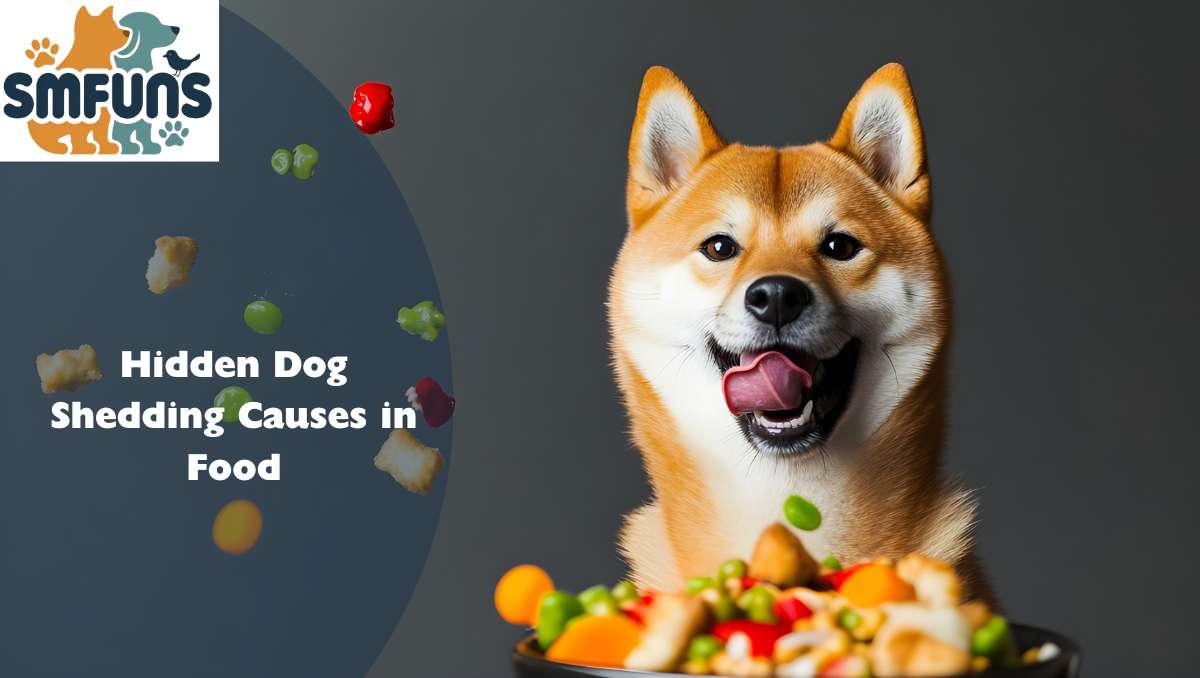
Hidden Dog Shedding Causes in Food You Ignore
Introduction
Many dog owners assume shedding is normal. They vacuum more often and brush their dog frequently. However, they rarely question what their dog eats. The truth is that diet plays a major role in coat health. In fact, poor nutrition is one of the most overlooked causes of dog shedding.
A healthy coat reflects a healthy body. When dogs eat low-quality ingredients, their skin and fur often suffer first. Excessive shedding, dull fur, dry skin, and brittle hair can all signal nutritional problems. Many commercial dog foods contain fillers, artificial additives, or nutrient imbalances that quietly damage coat health.
According to the American Kennel Club, proper nutrition directly influences coat quality and shedding levels. Dogs require balanced fats, vitamins, and proteins to maintain healthy fur. Without them, shedding increases significantly. https://www.akc.org/expert-advice/nutrition/
Understanding the causes of dietary dog shedding allows pet owners to address the root problem rather than treating symptoms. With the right knowledge and proper grooming habits, shedding can often be reduced dramatically.
This guide explains the most common food-related shedding triggers that many dog owners ignore. It also shows how nutrition, grooming, and quality pet care products work together to support a healthy coat.
The Science Behind Shedding and Dog Nutrition
Dogs naturally shed hair as part of their hair growth cycle. Old hair falls out so new hair can grow. However, nutrition strongly affects this process.
Healthy hair follicles require protein, fatty acids, vitamins, and minerals. When dogs lack these nutrients, hair growth weakens, and as a result, shedding increases.
Veterinary experts explain that a poor diet can lead to brittle hair shafts and dry skin. Both conditions cause excessive fur loss. The ASPCA highlights that balanced nutrition supports healthy skin and coat maintenance. https://www.aspca.org/pet-care/dog-care/dog-nutrition-tips
When owners notice unusual shedding, they often attribute it to seasonal changes. Yet diet may be the real issue. Hidden dog shedding causes in food often appear gradually, which makes them easy to overlook.
Common Ingredients That Trigger Dog Shedding Causes
Many commercial dog foods contain ingredients that negatively affect coat health. These ingredients may meet basic calorie needs but fail to support skin and fur.
Low-Quality Protein Sources
Protein forms the structure of hair. When dogs consume low-quality protein, their bodies cannot build strong fur.
Cheap dog foods often use meat by-products or poorly digestible proteins. These ingredients lack essential amino acids required for coat growth.
PetMD explains that dogs require high-quality protein to maintain strong skin and coat health. https://www.petmd.com/dog/nutrition
When protein quality drops, fur becomes thin and brittle. Over time, shedding increases. This nutritional imbalance is one of the most overlooked causes of dog shedding.
Excessive Grain Fillers
Grains are not harmful by themselves. However, many dog foods rely heavily on corn, wheat, and soy fillers. These ingredients often replace higher-quality proteins and fats.
Excess fillers reduce the nutritional value of the diet. As a result, dogs may not receive the nutrients required for proper coat growth.
Some dogs also develop mild sensitivities to certain grains. Skin irritation then leads to scratching and increased shedding.
Artificial Preservatives and Additives
Artificial colors, preservatives, and flavor enhancers may affect sensitive dogs. These additives sometimes trigger allergic reactions or skin irritation.
The American Veterinary Medical Association warns that diet-related skin problems can cause noticeable coat issues and hair loss. https://www.avma.org/resources-tools/pet-owners/petcare
When dogs react to food chemicals, itching begins. Scratching damages hair follicles, dramatically increasing shedding.
Lack of Omega Fatty Acids: A Major Cause of Dog Shedding
Healthy skin requires essential fatty acids. Omega-3 and Omega-6 fats nourish hair follicles and reduce inflammation.
Without these fats, dogs develop dry skin. Dry skin weakens the coat and increases shedding.
VCA Animal Hospitals explains that omega fatty acids support skin hydration and improve coat shine. https://vcahospitals.com/know-your-pet
Many inexpensive dog foods contain minimal omega fatty acids. Even when present, they may not be in effective amounts.
Signs of fatty acid deficiency include:
Dry, flaky skin
Dull coat
Excess shedding
Frequent scratching
Adding high-quality fish oil or omega-rich diets can significantly improve coat health. At the same time, regular brushing with proper grooming tools helps distribute natural oils across the coat.
SMFuns grooming brushes are designed to spread these oils evenly, which improves coat health while reducing loose fur buildup in the home.
Food Allergies as Hidden Dog Shedding Causes
Food allergies affect many dogs across the United States. Unfortunately, they often go unnoticed.
When dogs react to certain ingredients, the immune system triggers skin inflammation. This inflammation causes itching, hair thinning, and shedding.
According to veterinary dermatology experts, common dog food allergens include:
Beef
Chicken
Dairy
Wheat
Soy
The Cornell University College of Veterinary Medicine explains that food allergies frequently appear as skin problems rather than digestive issues. https://www.vet.cornell.edu/departments-centers-and-institutes/cornell-feline-health-center
Many owners focus on stomach symptoms. However, skin irritation and fur loss may be the only visible signs.
Switching to limited-ingredient diets often helps identify food triggers. When the allergen disappears from the diet, coat health improves and shedding decreases.
Vitamin Deficiencies That Increase Shedding
Several vitamins support healthy skin and coat growth. When dogs lack these nutrients, shedding worsens.
Vitamin A
Vitamin A supports skin cell development. Deficiency can cause dry skin and fragile hair follicles.
Vitamin E
Vitamin E acts as an antioxidant that protects skin cells. Without it, inflammation and coat problems may develop.
Biotin (Vitamin B7)
Biotin strengthens hair follicles. Deficiency often leads to brittle fur and excessive shedding.
Veterinary research shows that balanced vitamin intake improves coat strength and growth cycles. PetMD highlights the importance of micronutrients in canine skin health. https://www.petmd.com/dog/nutrition/guide-to-dog-vitamins
High-quality dog foods typically include these nutrients. However, poor-quality diets may lack adequate levels.
Dehydration and Dry Dog Food Diets
Hydration affects coat health more than many owners realize.
Dogs eating only dry kibble sometimes consume less water. Low hydration levels can contribute to dry skin and increased shedding.
The Centers for Disease Control notes that proper hydration is important for overall pet health and bodily functions. https://www.cdc.gov/healthypets/pets/dogs.html
Adding wet food or fresh water sources helps improve hydration levels. Hydrated skin remains healthier and supports strong fur growth.
How Grooming Supports Diet in Reducing Shedding
Nutrition alone cannot solve shedding problems. Grooming also plays a critical role.
Regular brushing removes loose hair before it spreads around the home. It also stimulates skin circulation and distributes natural oils across the coat.
Professional groomers understand this connection. Yet many dog owners rely only on occasional brushing.
When grooming becomes a consistent routine, shedding appears far less dramatic.
High-quality grooming tools make a major difference. Brushes designed for undercoat removal gently remove loose fur while protecting healthy hair.
SMFuns offers grooming brushes, de-shedding tools, and coat-care products to help manage shedding effectively and improve coat health.
These tools work best when combined with a balanced diet that eliminates nutritional causes of dog shedding.
Seasonal Shedding vs Food-Related Shedding
Dogs naturally shed more during seasonal coat transitions. Spring and fall are common shedding seasons.
However, seasonal shedding usually lasts a few weeks. After that, coat stability returns.
Food-related shedding behaves differently. It continues throughout the year and may gradually worsen.
Signs of diet-related shedding include:
Constant shedding with no seasonal pattern
Dull coat texture
Dry or flaky skin
Frequent itching
Veterinarians often evaluate diet when diagnosing chronic shedding. Removing nutritional triggers often restores coat health within several weeks.
Signs Your Dog’s Food Is Causing Excess Shedding
Many owners overlook subtle signs that diet affects their dog’s coat.
Pay attention to these warning signals:
Persistent dull fur
Excess hair on furniture and floors
Flaky skin
Constant scratching
Patchy hair thinning
These symptoms frequently indicate nutritional imbalance.
When owners address the causes of dietary dog shedding, coat health often improves quickly.
Building a Diet That Supports Coat Health
Improving coat health begins with nutrition. Dogs require balanced meals that support skin and hair growth.
Look for dog foods that include:
High-quality animal protein
Omega fatty acids
Balanced vitamins and minerals
Limited artificial additives
Many veterinarians also recommend rotating protein sources to reduce the risk of food sensitivities.
Healthy diets combined with proper grooming routines dramatically reduce shedding in many dogs.
Using quality grooming products also helps maintain coat strength and safely remove loose fur.
SMFuns provides professional-grade grooming tools designed specifically to support coat health and shedding management.
Conclusion
Excessive shedding often frustrates dog owners. Many assume it is unavoidable. However, hidden dietary factors frequently play a major role.
Poor protein quality, artificial additives, food allergies, vitamin deficiencies, and a lack of essential fatty acids are all common causes of dog shedding.
Once pet owners understand these triggers, they can take practical steps to improve their dog’s coat health. Balanced nutrition, proper hydration, and consistent grooming routines work together to reduce shedding.
High-quality grooming tools also make coat care easier and more effective. When combined with healthy nutrition, they help maintain stronger hair follicles and healthier skin.
If you want professional grooming results at home, explore premium grooming solutions at SMFuns.
Expert grooming tools and pet care essentials can help you manage shedding while keeping your dog’s coat healthy, shiny, and comfortable.
For assistance or product guidance, contact our pet care team anytime.
+19144085788
FAQs
Low-quality proteins, grain fillers, artificial additives, and poor fatty acid levels are common dietary triggers. These ingredients weaken coat health and increase shedding.
Yes. Food allergies often trigger skin inflammation and itching. Dogs scratch excessively, damaging hair follicles and leading to noticeable shedding.
Most dogs show improvement within four to eight weeks after switching to a nutritionally balanced diet that removes common causes of dog shedding.
Omega-3 and Omega-6 fatty acids support healthy skin and coat growth. They reduce dryness and inflammation, which helps control excessive shedding.
Yes. Regular brushing removes loose hair before it spreads around the house. It also stimulates skin oils that support coat health and reduce visible shedding.