


Complete Cat Hairball Prevention Guide for Healthier Cats
Introduction
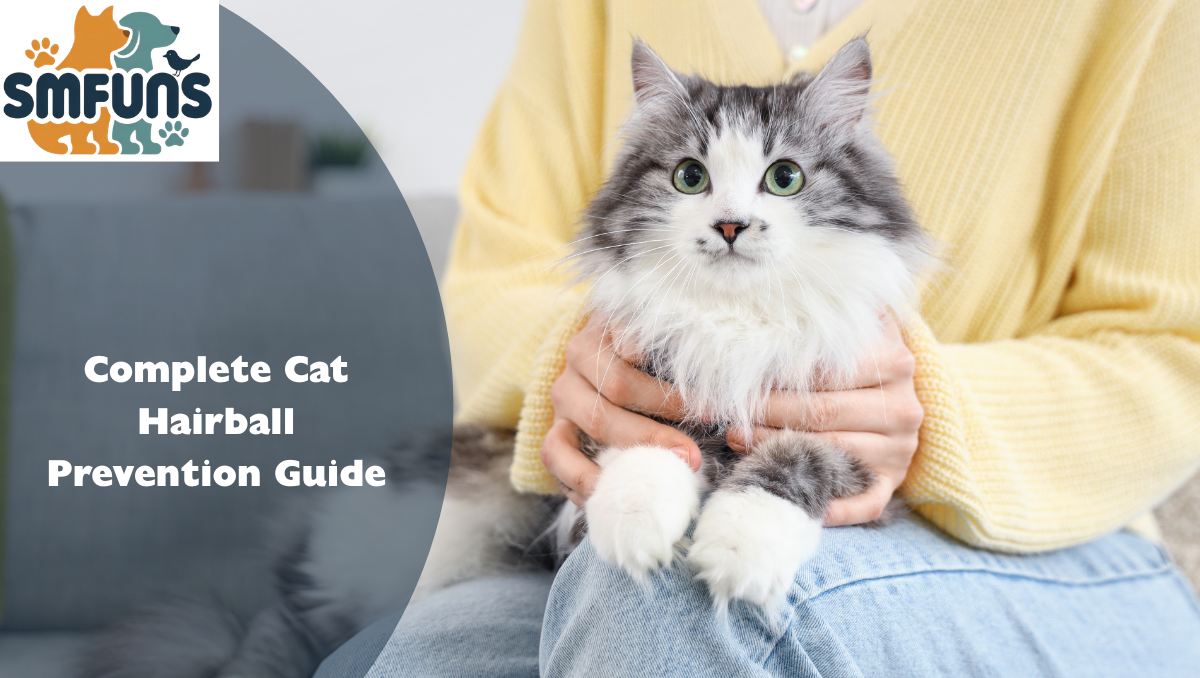
Hairballs are one of the most common issues cat owners face. Many pet owners in the United States hear their cat coughing up a hairball and assume it is normal. While occasional hairballs happen naturally, frequent hairballs often signal grooming, diet, or health issues. That is why understanding how to prevent cat hairballs is essential for responsible cat care.
Cats spend a large part of their day grooming themselves. Their tongues contain tiny hook-like structures that capture loose hair. During grooming, cats swallow some of this hair. Normally, hair passes through the digestive system. However, when too much hair accumulates in the stomach, it forms a hairball.
According to the American Veterinary Medical Association, frequent hairballs may indicate excessive shedding, digestive issues, or grooming problems. https://www.avma.org/resources-tools/pet-owners/petcare
Proper cat hairball prevention focuses on reducing loose hair, improving digestion, and supporting healthy grooming habits. When cat owners combine the right grooming tools, balanced nutrition, and routine care, hairballs become far less frequent.
This guide explains the causes of hairballs and provides expert-backed strategies to prevent them. It also shows how proper grooming products from SMFuns can help reduce shedding and protect your cat’s health.
Why Cats Get Hairballs
Hairballs develop when cats swallow excessive amounts of fur while grooming. Most cats groom themselves several times a day. Their rough tongues trap loose hair that eventually gets swallowed.
Usually, hair passes through the digestive tract without problems. However, hair can sometimes collect in the stomach and form a compact mass.
The ASPCA explains that hairballs occur more frequently in cats with long hair or heavy shedding. https://www.aspca.org/pet-care/cat-care/common-cat-behavior-issues
Kittens rarely develop hairballs because they groom less often. Adult cats, especially long-haired breeds, experience them more frequently.
Without proper prevention of hairballs, hair accumulation can lead to repeated vomiting and digestive discomfort.
Signs Your Cat Has Frequent Hairballs
Most cat owners recognize the typical cough that occurs before a hairball forms. However, some symptoms may indicate more serious hairball problems.
Frequent gagging without producing a hairball may signal an intestinal blockage. Lethargy, loss of appetite, or constipation may also indicate complications.
PetMD warns that untreated hairballs can occasionally cause digestive obstruction if they fail to pass naturally. https://www.petmd.com/cat/conditions/digestive/c_ct_trichobezoars_hairballs
Regular grooming and proper cat hairball prevention help reduce the risk of these issues.
The Role of Grooming in Cat Hairball Prevention
The most effective way to prevent hairballs is to reduce the amount of loose hair cats swallow during grooming.
Regular brushing removes loose fur before the cat ingests it.
Daily Brushing Reduces Loose Hair
Brushing removes hair that would otherwise shed into the digestive system. This significantly lowers hairball formation.
The American Kennel Club notes that grooming removes dead hair and supports coat health in pets. https://www.akc.org/expert-advice/grooming/pet-grooming-basics/
For cats, this benefit becomes even more important because they groom themselves constantly.
Choosing the Right Grooming Brush
Not all brushes work effectively for cats. High-quality grooming tools remove loose undercoat hair without irritating the skin.
The right grooming tool improves coat health while supporting effective cat hairball prevention.
SMFuns offers premium grooming brushes designed to remove loose fur safely. These tools help reduce shedding while keeping cats comfortable during grooming sessions.
Long-Haired Cats Need Extra Hairball Control
Certain cat breeds are more prone to hairballs than others. Long-haired breeds such as Maine Coons, Persians, and Ragdolls shed heavily and require frequent grooming.
Long hair also tangles more easily, which traps loose fur in the coat.
The Cornell Feline Health Center explains that long-haired cats require consistent grooming to prevent matting and excessive shedding. https://www.vet.cornell.edu/departments-centers-and-institutes/cornell-feline-health-center
Daily brushing is a key part of preventing hairballs in these breeds.
Professional grooming tools help remove trapped fur before it reaches the digestive system.
Nutrition and Cat Hairball Prevention
Diet plays a critical role in preventing hairballs. Proper nutrition improves digestion and helps hair pass through the digestive tract more easily.
High Fiber Supports Digestion
Fiber helps move hair through the digestive system. Many veterinary diets include fiber specifically designed to reduce hairballs.
VCA Animal Hospitals explains that fiber supports digestive movement and helps prevent hair buildup in the stomach. https://vcahospitals.com/know-your-pet/hairballs-in-cats
Cats that consume balanced diets often experience fewer hairball issues.
Healthy Fats Improve Coat Condition
Omega fatty acids improve coat strength and reduce excessive shedding. When cats shed less hair, they swallow less fur during grooming.
Healthy coats play a major role in long-term prevention of hairballs.
Hydration Supports Digestive Health
Water helps hair move smoothly through the digestive system.
The Centers for Disease Control highlight hydration as an essential component of overall animal health. https://www.cdc.gov/healthypets/pets/cats.html
Providing fresh water daily supports digestive health and reduces hairball formation.
How Shedding Contributes to Hairballs
Excess shedding increases the amount of hair cats ingest while grooming.
Several factors influence shedding levels.
Seasonal coat changes cause cats to shed heavily during spring and fall.
Stress and poor nutrition may also increase shedding.
PetMD explains that grooming reduces shedding and improves coat condition. https://www.petmd.com/cat/grooming
Reducing shedding is one of the most effective forms of cat hairball prevention.
Regular grooming with high-quality brushes removes loose hair before it enters the digestive system.
Grooming Routine for Effective Hairball Control
Creating a consistent grooming routine dramatically reduces hairball problems.
Brush your cat several times per week. Long-haired cats often require daily grooming.
Start grooming sessions gently to help cats relax.
Use slow strokes and follow the direction of the fur.
High-quality grooming tools make grooming easier and more comfortable.
SMFuns grooming products are designed to remove loose fur efficiently while protecting sensitive cat skin.
Consistent grooming supports effective cat hairball prevention while strengthening the bond between pets and owners.
Environmental Factors That Affect Hairballs
Indoor environments can also influence shedding and hairball frequency.
Dry air may cause skin dryness and increased shedding.
Stress may also trigger excessive grooming.
The ASPCA explains that environmental enrichment helps reduce stress-related grooming behaviors. https://www.aspca.org/pet-care/cat-care
Interactive toys and regular playtime help reduce stress and support healthy grooming habits.
When cats feel relaxed, grooming becomes balanced rather than excessive.
Balanced grooming habits contribute to better cat hairball prevention.
When to See a Veterinarian
Most hairballs are harmless when they occur occasionally. However, frequent hairballs may require veterinary attention.
Veterinary professionals recommend seeking help if a cat experiences repeated gagging without producing hairballs.
The American Veterinary Medical Association warns that persistent vomiting or digestive discomfort may indicate serious health issues. https://www.avma.org/resources-tools/pet-owners/petcare
A veterinarian can evaluate digestive health and recommend dietary changes or treatment.
Early intervention protects your cat from complications related to severe hairball buildup.
Why Grooming Products Matter
Many cat owners rely on basic grooming tools that remove only surface hair.
However, deeper grooming tools remove loose undercoat hair more effectively.
The right brush significantly improves hairball prevention by removing loose fur before cats swallow it.
Professional grooming tools also protect sensitive cat skin and reduce grooming stress.
SMFuns provides premium grooming products designed to reduce shedding and support healthier coats.
These tools help cat owners maintain effective grooming routines at home.
FAQs
Regular brushing is the most effective method. Removing loose fur before your cat swallows it significantly reduces hairball formation.
Short-haired cats usually need brushing two to three times per week. Long-haired cats often require daily grooming to prevent hairballs effectively.
Occasional hairballs are normal. However, frequent hairballs may indicate digestive issues or excessive shedding.
Yes. High-fiber diets and balanced nutrition support digestion and help hair pass through the digestive system more easily.
Grooming greatly reduces hairballs but may not eliminate them entirely. Consistent grooming combined with proper nutrition yields the best results for preventing cat hairballs.