

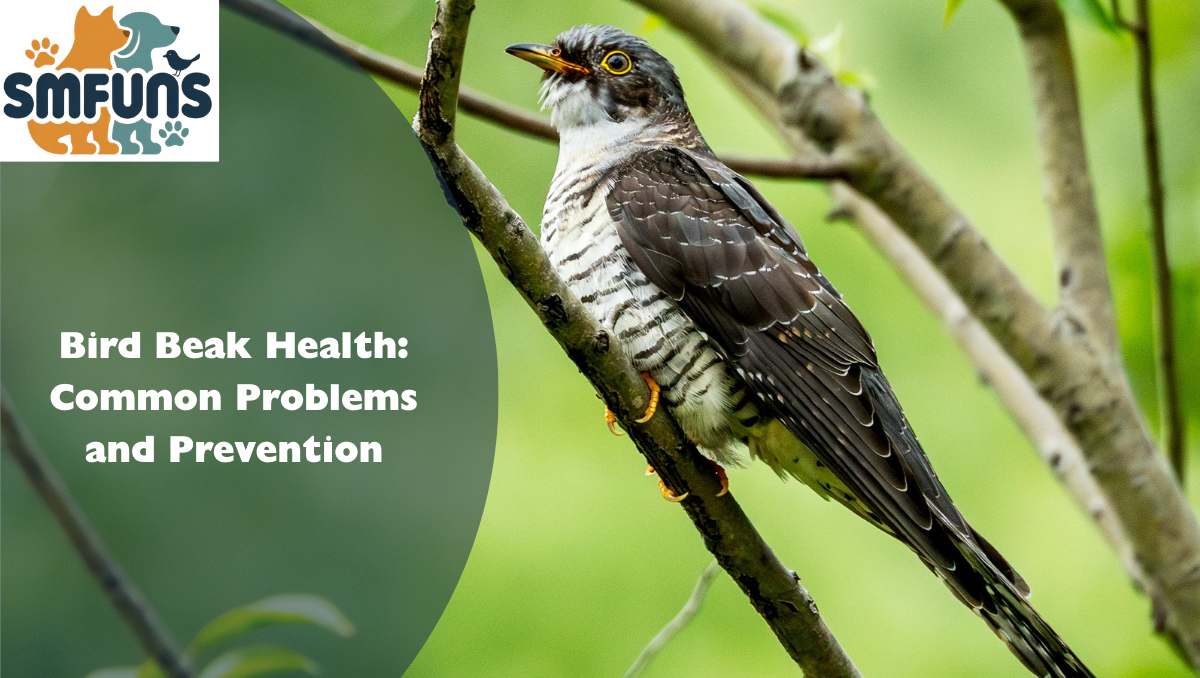
Bird beak health remains a critical aspect of avian wellbeing, yet many bird owners underestimate its importance. A bird’s beak performs essential functions such as eating, grooming, climbing, and interacting with its environment. When a bird’s beak health declines, it affects not only feeding efficiency but also overall physical and mental wellness. Preventing beak deformities, overgrowth, and injuries requires attentive care, proper nutrition, and veterinary guidance. Maintaining strong, properly shaped beaks enhances a bird’s comfort, safety, and daily quality of life while reducing the risk of long-term complications.
The American Veterinary Medical Association emphasizes that regular observation of a bird’s beak can prevent common problems that often develop silently (https://www.avma.org/resources/pet-owners/petcare/birds). By integrating preventive measures into routine care, owners can protect their birds from pain, infection, and nutritional deficiencies. Bird beak health is not merely cosmetic; it underpins every aspect of a bird’s daily activity and vitality.
Common Beak Problems in Pet Birds
Pet birds frequently encounter several beak issues that compromise their well-being. Overgrown beaks occur when wear and tear fail to keep pace with growth, leading to difficulty eating and grooming. Malocclusions, in which the upper and lower beaks do not align properly, can result from genetics, trauma, or an improper diet. Cracks, splits, and fractures may emerge due to accidents, chewing inappropriate objects, or mineral deficiencies. Infections and fungal growth on the beak pose additional risks, causing pain and potential systemic complications.
The Association of Avian Veterinarians notes that untreated beak problems can escalate into severe health issues, including weight loss, behavioral changes, and weakened immune function (https://www.aav.org/avian-health-care). Addressing these problems early through observation, veterinary intervention, and preventive strategies ensures optimal beak health in birds.
Nutrition and Its Role in Beak Strength
Proper diet remains a cornerstone of bird beak health. Birds require a balanced intake of vitamins, minerals, and proteins to support keratin production, the structural material of beaks. Calcium and phosphorus are vital for maintaining beak strength, while Vitamin A promotes healthy epithelial tissues. Incorporating high-quality pellets, fresh fruits, vegetables, and safe treats ensures birds receive essential nutrients to prevent brittleness, cracking, or overgrowth.
The Cornell Lab of Ornithology emphasizes that nutrition directly affects beak integrity, highlighting the need for complete, species-appropriate diets (https://www.birds.cornell.edu/home). Owners who prioritize dietary balance protect their birds from deficiencies that compromise beak function, ensuring that their pets remain active, comfortable, and healthy.
Environmental Enrichment for Beak Maintenance
Chewing, climbing, and exploring are natural behaviors that support the health of a bird’s beak. Providing safe toys, perches of varying textures, and natural branches encourages regular wear, preventing overgrowth and malformations. Avoiding inappropriate materials, such as soft plastics or toxic woods, minimizes injury risks. Regular interaction with your bird also allows close monitoring of beak condition, enabling prompt action when abnormalities arise.
Veterinary guidance from the Pet Birds Care Council underscores the importance of environmental enrichment to promote natural beak wear, reduce stress, and support mental health (https://www.petbirdcare.com/bird-beak-health). Thoughtful habitat design benefits both physical and behavioral wellness, aligning with holistic avian care principles.
Recognizing Signs of Beak Problems
Early detection of beak problems is critical for maintaining bird beak health. Owners should observe eating patterns, grooming behavior, and overall activity levels. Difficulty cracking seeds, excessive drooling, or reluctance to chew indicate potential issues. Visible changes such as discoloration, asymmetry, cracks, or overgrowth require immediate veterinary evaluation.
The Exotic Companion Veterinary Association recommends routine beak inspections during weekly interactions and veterinary checkups, allowing owners to intervene before minor issues escalate (https://www.ecva.org/avian-health). Prompt recognition and treatment prevent chronic conditions, preserving a bird’s functional capabilities and comfort.
Veterinary Interventions and Professional Care
Veterinarians play a crucial role in correcting and maintaining bird beak health. Procedures may include trimming overgrown beaks, aligning malocclusions, or treating infections. Advanced imaging and laboratory testing assist in diagnosing underlying nutritional or systemic issues contributing to beak abnormalities. Professional care ensures safe, precise interventions while providing education to owners for ongoing at-home maintenance.
The American Association of Avian Veterinarians stresses that professional monitoring complements preventive strategies, reducing risks and promoting long-term health (https://www.aav.org/avian-health-care). Combining expert guidance with responsible home care establishes a sustainable routine that supports optimal beak function.
Preventive Strategies for Long-Term Wellness
Owners can preserve bird beak health through consistent preventive practices. Balanced nutrition, safe and stimulating environments, regular observation, and professional veterinary checkups create a comprehensive care plan. Avoiding high-sugar or processed foods, providing chew-safe toys, and reinforcing natural behaviors support both structural integrity and overall well-being. A proactive approach minimizes the likelihood of costly or invasive interventions later, ensuring that birds thrive physically and emotionally.
The Exotic Nutrition Society highlights that preventive care reduces morbidity, enhances longevity, and promotes positive behavioral patterns (https://www.exoticnutritionsociety.org/bird-health). By integrating nutrition, enrichment, and veterinary oversight, owners achieve a holistic strategy that secures strong, healthy beaks for years to come.
Call to Action
Ensure your bird thrives with premium bird beak health products from SMFUNS, designed for safety, efficacy, and everyday usability. Support your pet’s oral care, comfort, and overall vitality with expert-recommended solutions.
+19144085788
info@smfuns.com
www.smfuns.com
FAQs
Check your bird’s beak weekly for cracks, overgrowth, or discoloration.
Diet supports beak strength but requires enrichment and safe chewing activities.
Avoid soft plastics, toxic woods, and metal objects that can cause injury.
Seek veterinary care if your bird shows difficulty eating, cracks, asymmetry, or infections.
Yes, larger parrots and birds with genetic predispositions require closer monitoring and care.

