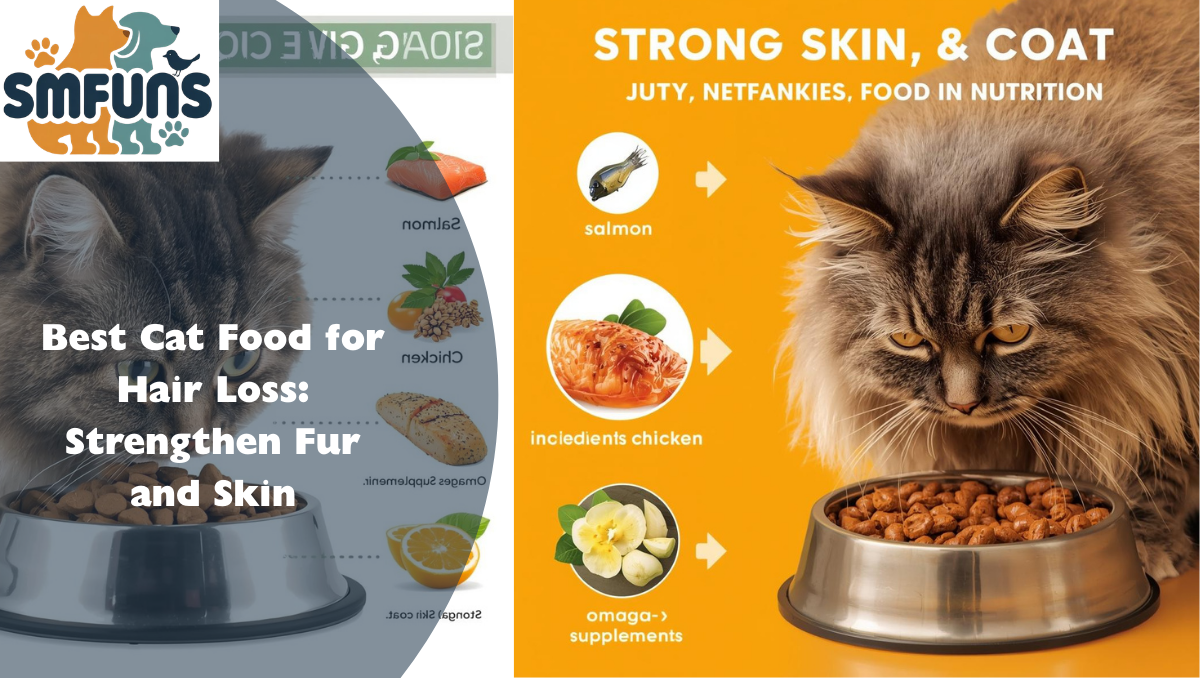
Maintaining a cat’s coat requires thoughtful nutrition, which makes it essential to select the best cat food for hair loss. Hair loss in cats can indicate nutrient deficiencies, stress, or underlying health conditions, but diet plays the most significant role in promoting strong, resilient fur. High-quality foods enriched with omega fatty acids, vitamins, and digestible proteins fortify hair follicles, reduce shedding, and enhance skin health. Expert guidance ensures pet owners choose formulas that meet both nutritional needs and taste preferences, keeping cats vibrant, comfortable, and healthy.
The feline digestive system thrives on consistent, nutrient-dense diets. According to the American Association of Feline Practitioners, deficiencies in essential fatty acids or amino acids can accelerate shedding and dull fur (https://catvets.com/guidelines/practice-guidelines/nutrition-guidelines). Transitioning to the best cat food for hair loss supports skin integrity, strengthens the immune system, and fosters a glossy, luxurious coat.
Understanding Hair Loss in Cats
Hair loss, or alopecia, affects cats of all ages and breeds. Excessive shedding can stem from seasonal changes, stress, allergies, or poor nutrition. Cats require balanced proteins, vitamins, and minerals to maintain hair growth cycles and prevent brittle fur. The Cornell University College of Veterinary Medicine highlights that nutritional support plays a critical role in reversing hair loss caused by dietary insufficiencies (https://www.vet.cornell.edu/departments-centers-and-institutes/cornell-feline-health-center).
Cats with sensitive digestion benefit most from diets containing highly digestible proteins and natural fibers. Ingredients such as salmon, chicken, or turkey provide essential amino acids, while rice, oats, or pumpkin help regulate digestion and reduce inflammatory responses. Selecting a formula with controlled fat levels ensures smooth energy metabolism without overwhelming sensitive systems.
Nutritional Elements That Prevent Hairfalls
To ensure effectiveness, the best cat food for hair loss should include omega-3 and omega-6 fatty acids. These compounds strengthen cell membranes, reduce skin inflammation, and promote fur shine. Vitamins such as biotin, vitamin E, and zinc are critical for keratin production, enhancing the resilience of hair shafts. Probiotics and prebiotics support gut health, optimizing nutrient absorption and, in turn, skin and coat vitality.
Cats also require antioxidants to combat free radical damage, which can compromise skin structure and lead to premature hair loss. High-quality, natural ingredients from reputable sources minimize exposure to synthetic additives and artificial fillers that may irritate sensitive cats. The American Veterinary Medical Association emphasizes transparency in sourcing as a hallmark of premium feline nutrition (https://www.avma.org/resources/pet-owners/petcare/nutrition).
Choosing Vet-Recommended Formulas
Veterinarians recommend formulas tailored to hairball management and coat enhancement. Hairball-control diets often include fiber blends andomega-3a fatty acids, reducing fur ingestion and promoting smooth shedding cycles. The American College of Veterinary Nutrition confirms that therapeutic diets improve skin hydration, relieve itching, and prevent fur breakage when fed consistently (https://www.acvn.org/).
Brands that partner with veterinary experts provide research-backed nutrient profiles, ensuring cats receive the best cat food for hair loss without risk of allergic reactions or digestive stress. Pet owners gain reassurance knowing formulas meet strict standards for ingredient quality, palatability, and digestibility.
Transitioning to a New Diet Safely
Gradual dietary transition prevents stomach upset and maximizes nutrient uptake. Begin by mixing small portions of the new food with the existing diet, gradually increasing the ratio over 7–10 days. Monitor stool consistency, appetite, and energy levels. The Pet Nutrition Alliance underscores that a slow introduction supports digestive adaptation and allows pet owners to identify potential sensitivities early (https://petnutritionalliance.org/).
During transitions, avoid supplementing with human foods or treats that are high in fat or contain artificial ingredients. Consistency in feeding routines enhances digestion, reduces stress, and fosters stable nutrient delivery to hair follicles and skin cells.
Supporting Hair and Skin Health Beyond Diet
While nutrition remains central, environmental and grooming practices amplify results. Regular brushing removes loose fur, stimulates sebaceous glands, and prevents matting. Ensuring hydration supports skin elasticity, while safe supplements such as fish oil capsules enhance coat quality when integrated under veterinary guidance. Harvard University’s veterinary experts note that combined diet and grooming strategies maximize hair retention and overall coat vitality (https://www.harvardvetmed.com/cats/skin-and-coat-health).
Stress management also impacts shedding patterns. Providing enrichment, consistent routines, and safe spaces reduces cortisol-induced hair loss. Nutrition synergizes with these lifestyle measures to deliver comprehensive hairfall control.
Recognizing Quality and Safety in Cat Food
Premium ingredients, ethical sourcing, and strict production standards set high-quality feline diets apart. Avoid foods containing low-grade fillers, artificial flavors, or excessive preservatives. Ethical and transparent manufacturers provide clear labeling, vet their partnerships, and conduct third-party testing to ensure nutrient integrity and safety. The FDA emphasizes compliance with manufacturing and labeling regulations to protect feline health (https://www.fda.gov/animal-veterinary/animal-health-literacy/pet-food-safety).
By choosing the best cat food for hair loss, owners invest in both immediate coat improvement and long-term skin and digestive health. Superior nutrition strengthens immunity, supports weight management, and reduces the need for interventions related to allergies or gastrointestinal irritation.
Call to Action
Give your cat the nutrition it deserves with SMFUNS premium formulas designed to combat hair loss and promote healthy skin. Choose the best cat food for hair loss to support a glossy coat, optimal digestion, and long-term health.
+19144085788
info@smfuns.com
www.smfuns.com
FAQs
With consistent feeding, fur improvement is noticeable within four to six weeks.
Yes, hairball-forming cats benefit from fiber-rich, vet-recommended diets to reduce shedding complications.
Both are effective if they meet nutrient standards, but wet food supports hydration, benefiting skin health.
Supplements enhance results but cannot replace a balanced, nutrient-dense diet.
Frequent changes increase digestive stress; transition gradually and maintain a consistent, high-quality diet.