

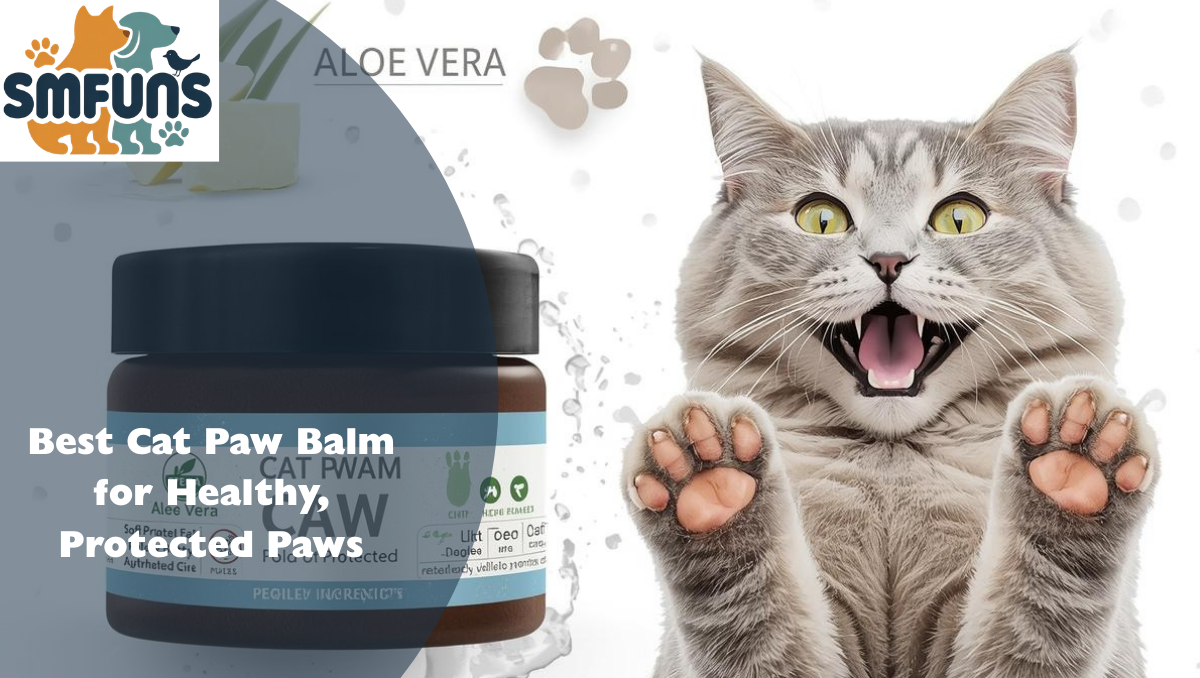
Best Cat Paw Balm for Healthy, Protected Paws
Introduction
Cats rely on their paws for every part of their daily routine. They walk, climb, jump, and explore their environment using these sensitive body parts. Despite their durability, feline paw pads remain vulnerable to dryness, cracks, irritation, and environmental damage. For this reason, many veterinarians recommend using the best cat paw balm to protect and maintain healthy paw pads.
In the United States, indoor and outdoor cats face several paw health challenges. Dry indoor air, rough flooring, dusty litter, and outdoor surfaces can all damage delicate paw pads. When paws become dry or cracked, cats often begin to lick them excessively or avoid putting pressure on them while walking.
Using the best cat paw balm helps moisturize paw pads and create a protective barrier against environmental irritants. Veterinary experts frequently advise moisturizing paw pads to prevent cracking and inflammation. The American Society for the Prevention of Cruelty to Animals emphasizes the importance of regular paw inspections and proper grooming to maintain overall feline health.
http://www.aspca.org/pet-care/cat-care/general-cat-care
In this guide, USA cat owners will learn how paw balms work, what ingredients to look for, and how to choose the best cat paw balm to protect their pet’s paws.
Why Cat Paw Protection Matters
Cats possess highly specialized paws designed for silent movement and balance. Each paw contains thick pads that cushion impact when cats jump or run. Despite their strength, paw pads remain sensitive to environmental conditions.
Indoor cats often walk through litter particles, dust, and residues from household cleaning. Outdoor cats encounter rough pavement, sharp debris, and extreme weather conditions. These factors can cause dryness, irritation, or minor injuries.
According to the American Veterinary Medical Association, routine grooming helps pet owners monitor skin health and detect abnormalities early.
http://www.avma.org/resources/pet-owners/petcare/pet-grooming
Applying the best cat paw balm supports healthy paw pads by restoring moisture and reducing friction from rough surfaces.
Healthy paw pads also help cats maintain proper posture. When paw pads become damaged, cats may adjust how they walk. Over time, this can affect their joints and mobility.
Using protective grooming products prevents these problems while improving comfort and mobility.
Understanding Cat Paw Pad Health
Before choosing the best cat paw balm, it helps to understand how feline paw pads function.
Paw pads consist of thick skin layers and fatty tissue. These structures cushion the bones and joints during movement. They also provide traction when cats run or jump.
However, paw pads can still develop several problems. Dry air, rough surfaces, and environmental irritants often cause skin to crack or peel.
PetMD explains that cracked paw pads can occur when the skin becomes dehydrated or repeatedly exposed to harsh surfaces.
http://www.petmd.com/cat/general-health/cracked-cat-paw-pads
Regularly moisturizing paw pads helps maintain flexibility and prevent painful cracks.
Using the best cat paw balm ensures paw pads remain hydrated and resilient against everyday wear.
Common Paw Problems in Cats
Many cat owners first notice paw issues when their pet begins to lick or limp. Understanding common paw problems helps owners take action early.
Dry and Cracked Paw Pads
Dryness remains one of the most frequent paw issues. Indoor heating systems during winter often reduce indoor humidity.
Low humidity removes natural oils from paw pads, which leads to rough or cracked skin.
Applying the best cat paw balm restores lost moisture and improves skin elasticity.
Irritation from Litter and Flooring
Some types of litter contain dust or chemicals that irritate sensitive paws. Rough flooring may also cause mild abrasions over time.
Cleaning paws occasionally and applying paw balm reduces irritation from these surfaces.
Environmental Exposure
Outdoor cats may encounter extreme temperatures or rough terrain.
Veterinary specialists at VCA Animal Hospitals note that paw pad injuries may occur when cats walk on hot pavement or frozen surfaces.
http://vcahospitals.com/know-your-pet/paw-pad-disorders-in-cats
Protective paw balms help minimize these risks.
How the Best Cat Paw Balm Works
The best cat paw balm works by moisturizing and protecting sensitive paw pads.
First, moisturizing ingredients restore hydration to dry skin. Hydrated skin remains flexible and less likely to crack.
Second, protective ingredients create a barrier against environmental irritants, such as rough flooring or litter.
This protective layer reduces friction and prevents further damage.
Veterinary dermatology experts often recommend paw balms because they support the skin’s natural healing process.
When used regularly, the best cat paw balm maintains healthy paw pads and improves overall paw comfort.
Key Ingredients to Look for in the Best Cat Paw Balm
Choosing the right paw balm requires careful attention to ingredients.
Cats frequently lick their paws, so safe and natural ingredients remain essential.
Natural Moisturizers
Ingredients such as shea butter, coconut oil, and olive oil provide deep hydration. These natural moisturizers help repair dry skin and restore elasticity.
Beeswax for Protection
Beeswax creates a protective barrier that seals moisture into the skin. It also shields paw pads from environmental irritants.
Vitamin E for Skin Repair
Vitamin E supports skin regeneration and helps heal minor cracks in paw pads.
Pet care specialists recommend avoiding artificial fragrances or harsh chemicals when choosing grooming products.
Using a balm with safe ingredients ensures the best cat paw balm remains gentle enough for daily use.
How to Apply Paw Balm to Cats
Applying the best cat paw balm requires patience and gentle handling.
Start by choosing a calm moment when your cat feels relaxed. Many owners apply paw balm while their cats rest or sleep.
Clean the paws first to remove dirt and litter. Cornell University veterinary experts explain that keeping paws clean helps reduce contamination and improve overall hygiene.
http://www.vet.cornell.edu/departments-centers-and-institutes/cornell-feline-health-center
After cleaning, dry the paws thoroughly with a soft towel.
Next, apply a small amount of balm to each paw pad. Massage gently until the balm spreads evenly.
Most cats tolerate paw balm well when owners introduce it slowly.
Applying the best cat paw balm once or twice a week usually provides sufficient protection.
Additional Paw Protection Methods
While paw balm offers excellent protection, combining it with other grooming habits improves results.
Regular nail trimming helps maintain healthy paw posture. Overgrown claws place additional pressure on paw pads.
VCA Animal Hospitals recommends trimming a cat’s nails every 2 to 4 weeks to keep them at a proper length.
http://vcahospitals.com/know-your-pet/trimming-your-cats-claws
Cleaning paws occasionally also prevents debris buildup.
The Centers for Disease Control and Prevention emphasize proper hygiene practices when handling pets to reduce the risk of contamination.
http://www.cdc.gov/healthypets/pets/cats.html
Combining these habits with the best cat paw balm creates a comprehensive paw care routine.
Choosing the Right Grooming Products for Paw Health
Quality grooming tools make paw care easier for cat owners.
Soft grooming wipes help remove litter residue and dirt without irritating sensitive skin. Nail trimmers designed for cats allow precise claw maintenance.
Moisturizing paw balms protect paw pads from dryness and environmental irritation.
Many cat owners across the United States rely on professional grooming tools to maintain consistent care routines.
Reliable grooming solutions simplify daily care and improve pets’ comfort.
High-quality grooming products available at SMFuns help support routines like these. When pet owners use trusted grooming tools, applying the best cat paw balm becomes a quick and effective step in maintaining paw health.
Creating a Simple Paw Care Routine
Consistency remains the most important factor in paw health.
Cat owners should inspect paws regularly to detect cuts, swelling, or debris. Cleaning paws occasionally helps remove litter dust and environmental contaminants.
Moisturizing paw pads with the best cat paw balm keeps skin hydrated and prevents cracking.
Regular nail trimming also improves comfort and prevents claw overgrowth.
These simple habits create a complete paw care routine that protects cats from common paw health issues.
Conclusion
Healthy paws allow cats to move confidently and comfortably. However, paw pads remain vulnerable to dryness, irritation, and environmental hazards.
Using the best cat paw balm provides essential protection by moisturizing paw pads and creating a barrier against rough surfaces and irritants.
Combined with regular paw inspections, nail trimming, and proper grooming tools, paw balm helps maintain long-term paw health.
Cat owners who want reliable grooming solutions can explore trusted pet care products at SMFuns.
Visit https://smfuns.com/ or contact +19144085788 to discover grooming products designed to keep your cat healthy, comfortable, and well cared for.
FAQs
The best cat paw balm moisturizes dry paw pads and protects them from cracking, irritation, and environmental damage.
Most cat owners apply paw balm once or twice a week. However, cats with very dry paw pads may benefit from more frequent application.
High-quality paw balms use natural ingredients that are safe to ingest in small amounts.
Yes. Indoor cats may still develop dry paw pads due to low humidity or rough flooring. Paw balm helps maintain skin hydration.
Yes. The best cat paw balm helps repair cracked paw pads by restoring moisture and supporting the natural healing process.