


Introduction
Bath time is already challenging for most American cat owners, but the real test begins afterward. A wet coat can cause chills, matting, skin irritation, and intense anxiety if the process is rushed or handled incorrectly. That is why a proper Cat drying guide is essential for maintaining your cat’s comfort, health, and trust. Indoor cats in the USA often live in air-conditioned environments, which makes thorough drying even more important. With the right techniques, tools, and calm handling, you can turn post-bath chaos into a smooth, safe routine that supports long-term grooming success.
Why Following a Proper Cat Drying Guide Is Critical
A cat’s coat holds water deep near the skin, especially in long-haired and dense breeds. When moisture stays trapped, it creates the perfect environment for fungal infections and painful tangles. The American Veterinary Medical Association highlights that proper grooming routines are key to maintaining skin and coat health in companion animals https://www.avma.org. A complete drying process prevents temperature drops and keeps your cat comfortable in climate-controlled homes.
According to PetMD, damp fur also increases the risk of dermatological issues and prolonged stress after bathing https://www.petmd.com. By following a structured Cat drying guide, you protect both physical and emotional well-being.
Understanding Your Cat’s Coat Before You Start Drying
Every cat’s coat behaves differently when wet. Short-haired cats release moisture quickly, while long-haired cats trap water in their undercoat. The Cornell Feline Health Center explains that coat type determines grooming frequency and drying methods https://www.vet.cornell.edu/departments-centers-and-institutes/cornell-feline-health-center.
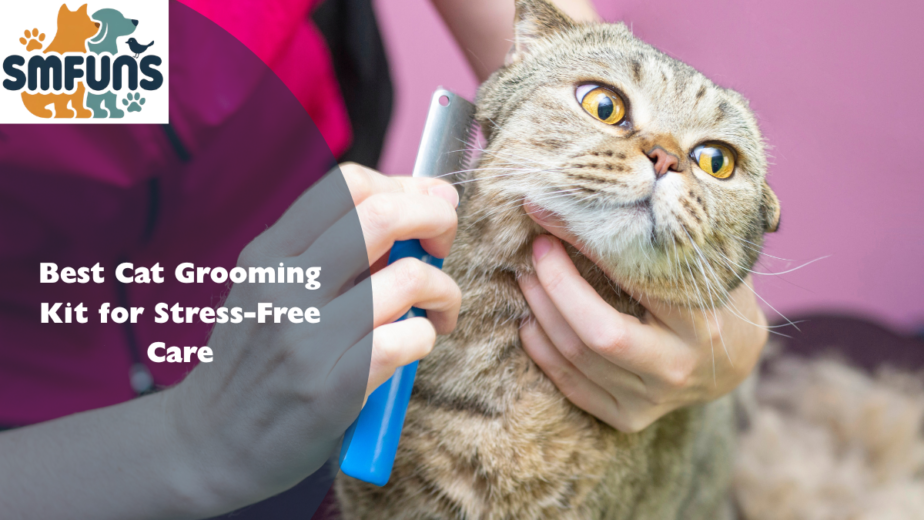
Using high-absorbency towels and detangling brushes helps remove water efficiently. Professional grooming tools from SMFuns are designed to pull moisture away without causing friction or static. This speeds up the drying process and makes it more comfortable for indoor cats.
Towel Drying Techniques in This Cat Drying Guide
Towel drying is the safest starting point for all cats. However, the method you use matters. Instead of rubbing, gently press the towel into the coat. This absorbs water quickly while keeping your cat calm.
The American Kennel Club recommends calm, minimal restraint during grooming to reduce fear and build trust https://www.akc.org. Wrapping your cat in a warm microfiber towel creates a secure, soothing environment.
Switch towels when they become damp. Premium microfiber grooming towels from SMFuns significantly cut drying time and prevent tangles, making them ideal for USA pet owners managing indoor grooming routines.
Using a Dryer Safely: A Key Step in the Cat Drying Guide
Many cat owners avoid dryers because of the noise. However, modern pet dryers are designed with low-sound technology and adjustable airflow. VCA Animal Hospitals advises introducing grooming tools gradually so pets develop positive associations https://vcahospitals.com.
Always use a cool or slightly warm setting. Keep the dryer at a safe distance and avoid the face. Brushing while drying prevents matting and distributes natural oils for a smooth coat.
Low-noise pet dryers and grooming brushes from SMFuns let you dry your cat quickly without triggering anxiety.
Air Drying vs. Active Drying for USA Homes
Air drying may seem simple, but it is rarely the safest option for indoor cats. Air conditioning slows the drying process and can make your cat cold. The ASPCA emphasizes that maintaining a warm, stress-free environment after bathing is essential for feline comfort https://www.aspca.org.
Active drying using towels and controlled airflow removes moisture faster and prevents debris from sticking to the coat. It also reduces post-bath shedding, which is a major benefit for American households.
Best Tools Recommended in This Cat Drying Guide
Professional groomers rely on the right tools to ensure safety and efficiency. Ultra-absorbent towels remove most of the water within minutes. De-matting brushes prevent painful knots. Low-noise dryers provide gentle airflow that cats tolerate well.
These tools are not luxuries. They are essential for proper coat care. SMFuns offers salon-quality grooming products that help USA pet owners achieve professional results at home while reducing stress for their cats.
Drying Long-Haired Cats the Right Way
Long-haired breeds require a layered drying method. Start with towel compression. Then use a wide-tooth comb to open the coat and release trapped moisture. Finish with gentle airflow while brushing.
The American Kennel Club explains that consistent grooming prevents matting and reduces shedding throughout the home (https://www.akc.org). This approach leaves the coat soft, fluffy, and completely dry.
Temperature Control and Environment
Cats are highly sensitive to temperature changes. Your cat should always be dried in a warm, airtight space. The CDC notes that stable indoor temperatures help protect small animals from cold stress and discomfort https://www.cdc.gov.
Avoid placing your cat near fans, open windows, or air vents during the drying process.
Creating a Calm Post-Bath Routine
Drying should feel like a reward, not a struggle. Throughout the process, offer snacks and speak quietly. The ASPCA confirms that positive reinforcement makes grooming routines easier over time https://www.aspca.org.
Using a non-slip grooming surface and soft drying wraps provides additional comfort and stability.
Common Mistakes This Cat Drying Guide Helps You Avoid
High heat from human hair dryers can burn the skin. Aggressive rubbing causes tangles and breakage. Leaving a cat damp in a cold room increases the risk of illness. Skipping brushing allows moisture to remain trapped in the undercoat.
Avoiding these mistakes ensures a safe and stress-free experience.
How Often Should You Dry Your Cat After a Bath
Most indoor cats in the USA do not require frequent baths. However, whenever a bath is necessary, full drying is essential. The Cornell Feline Health Center states that grooming frequency depends on coat type, lifestyle, and health conditions https://www.vet.cornell.edu.
Using professional grooming tools ensures each session is quick, gentle, and effective.
Strengthening the Bond Through Grooming
Drying time can become a bonding experience. Gentle brushing improves circulation and relaxes your cat. Warm towels create a sense of security.
With the right grooming essentials from SMFuns, what once felt stressful becomes a calm and predictable routine for both of you.
Conclusion
This complete Cat drying guide shows that safe drying is not complicated when you use the right techniques and tools. Proper drying prevents skin problems, reduces stress, and keeps your cat warm and comfortable in American homes. Investing in high-quality grooming products from SMFuns makes every step faster, safer, and more effective. A dry coat means a healthy cat, a cleaner home, and a grooming routine you can finally enjoy.
Call To Action
Give your cat the comfort and care they deserve with premium grooming solutions from SMFuns.
Shop now: https://smfuns.com/
Call us: +19144085788
FAQS
You should dry your cat completely, which usually takes 20 to 45 minutes, depending on coat type.
Air drying is not recommended because air conditioning can make your cat cold and uncomfortable.
Only with a cool setting and low noise, but pet-specific dryers are much safer.
Layered towel drying followed by gentle airflow and brushing works best.
Noise, heat, and rough handling are common triggers. Using quiet grooming tools and positive reinforcement helps.