


Introduction
You finally finish bathing your cat, expecting a fresh, clean scent, but instead notice a strange odor coming from the coat. If your Cat smells after a bath, you are not alone. This is one of the most common concerns among USA cat owners, and it often signals an issue with drying, skin health, grooming products, or underlying conditions. A healthy cat should not have a strong odor after proper bathing. Understanding the real cause helps you fix the problem quickly and prevent it in the future. With the right grooming routine and high-quality hygiene products, your cat can stay fresh, comfortable, and odor-free.
Why does a cat smell after a bath, even when you use shampoo?
A bad smell after a bath usually means moisture is trapped in the coat. Dense fur holds water close to the skin, creating a warm environment where bacteria and yeast can grow. The American Veterinary Medical Association explains that proper coat drying is essential to prevent skin infections and pet odor (https://www.avma.org).
Another common reason is product residue. If shampoo is not rinsed thoroughly, it mixes with natural oils, producing an unpleasant smell. According to PetMD, leftover grooming products can irritate a cat’s skin and cause a musty odor https://www.petmd.com.
Using a gentle, residue-free cat shampoo and high-absorbency grooming towels from SMFuns ensures a complete rinse and a faster drying process, eliminating the primary cause of post-bath odor.
The Link Between Improper Drying and Cat Smells After Bath
Drying is more important than bathing itself. When a coat stays damp, microorganisms multiply quickly. This creates the classic wet-fur smell many cat owners notice.
The Cornell Feline Health Center states that long, thick coats require thorough drying to maintain skin health and prevent fungal growth (https://www.vet.cornell.edu/departments-centers-and-institutes/cornell-feline-health-center).
Low-noise pet dryers and ultra-absorbent towels available at SMFuns remove moisture from deep within the undercoat. This step alone solves odor issues in most cases.
Skin Conditions That Cause Cat Smells After Bath
Sometimes the smell is not about grooming mistakes. It can be a medical issue. Yeast infections, dermatitis, and bacterial overgrowth often become more noticeable after a bath.
VCA Animal Hospitals explains that skin infections in cats produce a sour or moldy smell that does not disappear with normal washing https://vcahospitals.com.
If the odor persists after proper drying and grooming, a veterinary check is essential.
Dental Disease and Ear Infections
Many USA pet owners are surprised to learn that the smell is not always coming from the coat. Dental disease and ear infections can produce strong odors that become more noticeable when the cat is wet.
The American Kennel Club notes that poor oral hygiene is a major source of unpleasant odor in pets https://www.akc.org.
Regular ear cleaning and dental care using professional hygiene tools from SMFuns helps eliminate these hidden odor sources.
Anal Glands and Cat Smells After Bath
Anal gland discharge is another overlooked reason. Stress during bathing can cause glands to release fluid with a strong fishy odor.
The ASPCA explains that sudden unpleasant smells in cats can be linked to anal gland expression or digestive issues https://www.aspca.org.
Maintaining proper hygiene and using grooming wipes designed for sensitive areas helps prevent this problem.
How Diet Affects Post-Bath Odor
A poor diet often leads to oily skin and a strong body odor. According to the Cornell Feline Health Center, nutrition plays a major role in coat condition and natural scent https://www.vet.cornell.edu.
Cats fed high-quality food produce fewer skin oils and maintain a cleaner-smelling coat.
Choosing the Right Shampoo for Odor Control
Human shampoos and heavily scented products make the problem worse. They disrupt the natural pH of feline skin.
The ASPCA recommends using only cat-specific grooming products to protect skin health and prevent irritation https://www.aspca.org.
Professional-grade odor-control shampoos available at SMFuns clean deeply without leaving residue, which keeps the coat fresh for longer.
The Role of Brushing in Preventing Cat Smells After Bath
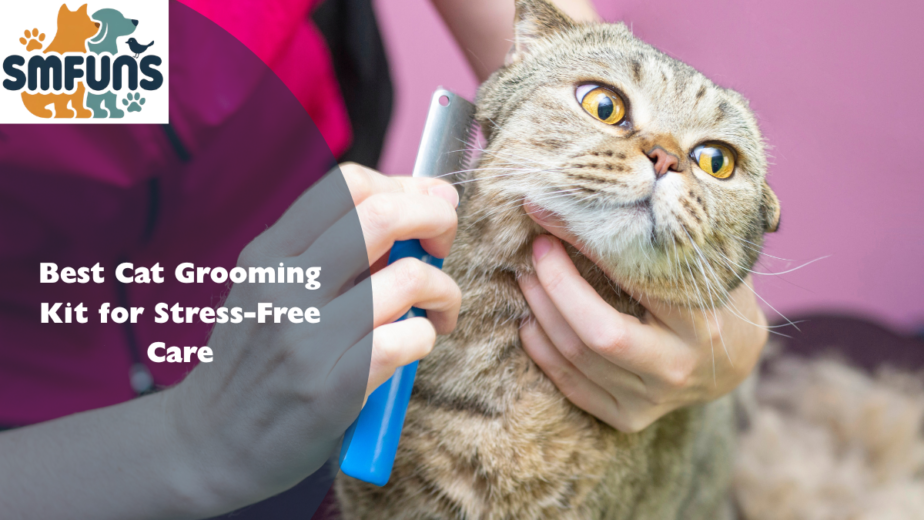
Brushing removes loose fur, trapped dirt, and excess oils before bathing. This allows shampoo to properly clean the skin.
The American Kennel Club emphasizes that regular brushing reduces odor and improves coat health https://www.akc.org.
High-quality de-shedding and detangling brushes from SMFuns make pre-bath preparation faster and more effective.
Environmental Factors in USA Homes
Indoor environments also influence odor. High humidity slows drying time. Air conditioning can leave the undercoat damp if the cat is not dried completely.
The CDC highlights the importance of proper indoor air quality for maintaining healthy skin and preventing microbial growth in animals (https://www.cdc.gov).
Drying your cat in a warm, well-ventilated room prevents the return of the wet-fur smell.
Step-by-Step Routine to Stop Cat Smells After Bath
Start by brushing thoroughly before the bath. Use a residue-free cat shampoo and rinse longer than you think necessary. Immediately wrap your cat in a microfiber towel to absorb excess water. Follow with a low-noise pet dryer on a cool setting while brushing gently. For delicate regions, finish with a fresh grooming wipe.
This routine removes the root causes of odor and keeps your cat fresh for weeks.
Long-Haired Cats and Persistent Odor
Long-haired breeds are more prone to post-bath sodorsbecause their undercoats retain moisture longer.
Layered drying with professional grooming tools from SMFuns ensures that even the deepest fur dries completely, preventing bacterial growth and musty odors.
When to See a Veterinarian
If your Cat smells after a bath despite proper grooming, it may indicate a medical issue such as a skin infection, dental disease, or digestive disorder.
PetMD advises seeking veterinary care when odor is persistent, strong, or accompanied by itching, redness, or hair loss https://www.petmd.com.
Building a Fresh-Smelling Grooming Routine
Consistency is the key. Regular brushing, proper bathing technique, thorough drying, and high-quality hygiene products keep your cat naturally odor-free.
Using salon-quality grooming essentials from SMFuns turns a frustrating experience into a simple and effective routine for USA cat owners.
Conclusion
If your Cat smells after a bath, the problem is almost always linked to trapped moisture, product residue, hidden infections, or incomplete grooming. The solution is not more frequent bathing. It is a better technique and better tools. With the right routine and professional grooming products from SMFuns, you can eliminate odor at the source and keep your cat’s coat fresh, soft, and healthy. A clean-smelling cat is a sign of proper care, balanced skin health, and a stress-free grooming process.
Call To Action
Give your cat the fresh, clean coat they deserve with premium grooming and hygiene essentials from SMFuns.
Shop now: https://smfuns.com/
Call us: +19144085788
FAQs
The most common reason is trapped moisture in the coat or leftover shampoo residue.
Use a residue-free shampoo, rinse thoroughly, and dry completely with absorbent towels and a low-noise pet dryer.
Yes, yeast and bacterial infections often produce a strong smell that remains after bathing.
Brush before bathing, use high-quality grooming products, and follow a complete drying routine.
If the smell is strong, persistent, or accompanied by skin irritation, hair loss, or behavioral changes.