

Dog Bad Breath Reasons Every USA Dog Owner Must Understand
Introduction
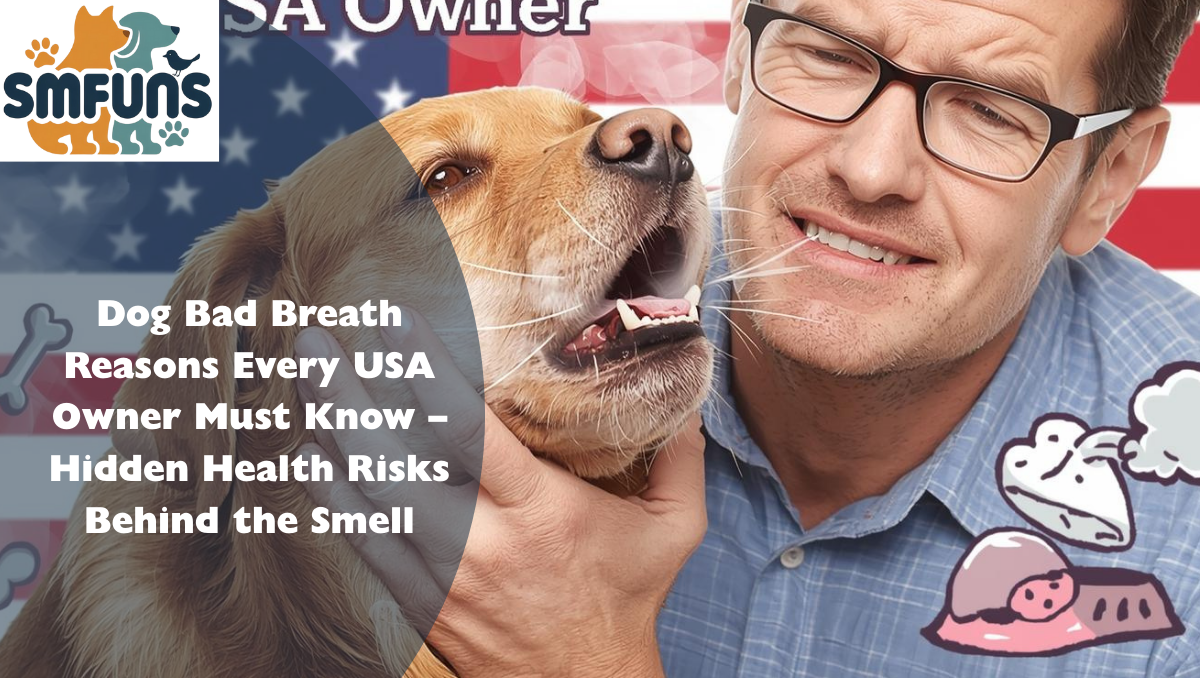
It is more than just a small annoyance if your dog has foul breath. Usually, it indicates that something is amiss. Understanding the real reasons for a dog’s bad breath can help you detect early health problems, prevent dental disease, and improve your dog’s overall quality of life. Many USA pet owners believe bad breath is normal, but veterinary experts strongly disagree. In most cases, persistent odor is caused by bacteria, plaque buildup, or an underlying medical condition. The American Veterinary Medical Association explains that dental disease is one of the most common health issues in dogs and often begins with bad breath. You can read their official guidance here: http://www.avma.org/resources-tools/pet-owners/petcare/pet-dental-care. The good news is that once you identify the cause, the problem is usually preventable and treatable with the right daily care routine and high-quality grooming products.
The Most Common Dog Bad Breath Reasons: Periodontal Disease
The number one cause of bad breath in dogs is periodontal disease. It begins when food particles and bacteria form plaque on the teeth. Over time, plaque hardens into tartar and moves below the gumline. This leads to infection, inflammation, and a strong odor. The American Kennel Club describes this process in detail and explains why early prevention is critical: http://www.akc.org/expert-advice/health/dog-dental-care/ Dogs rarely show obvious pain, so bad breath is often the first visible symptom. Learning the primary reasons for dog bad breath allows USA pet owners to act before tooth loss or expensive dental procedures become necessary.
Plaque and Tartar Buildup as a Major Source of Odor
When plaque is not removed daily, it becomes a hard, yellow or brown layer on the teeth. This tartar traps bacteria, which produce a foul smell. PetMD confirms that this bacterial growth is the leading cause of chronic mouth odor in dogs, and their full dental care guide can be found here: http://www.petmd.com/dog/general-health/dog-dental-care-home. Regular brushing with enzymatic toothpaste and the use of effective dental chews dramatically reduce this buildup. Premium dental hygiene tools from SMFuns make plaque control simple and consistent for busy households in the USA.
Gum Infections and Inflammation
Gingivitis is another major factor behind persistent bad breath. Red, swollen, or bleeding gums create the perfect environment for odor-causing bacteria. VCA Animal Hospitals explains that untreated gingivitis quickly progresses into advanced periodontal disease, which can destroy the tissues that hold the teeth in place. Their professional dental care recommendations are available at http://vcahospitals.com/know-your-pet/dental-disease-in-dogs. Addressing these causes of dog bad breath early protects your dog from chronic pain and serious infection.
Diet and Poor-Quality Dog Food
What your dog eats directly affects their breath. Low-quality diets often leave sticky residue on the teeth, which accelerates plaque formation. Some dogs also develop an odor after eating table scraps or spoiled food. The ASPCA highlights the importance of proper nutrition for oral health, and their feeding and care guidelines can be found here: http://www.aspca.org/pet-care/dog-care/general-dog-care. Combining a balanced diet with daily dental care results in noticeable improvements in breath freshness.
Dogs Eating Non-Food Items
Many dogs explore the world with their mouths. Eating garbage, feces, or foreign objects is a common but overlooked cause of foul breath. This behavior introduces harmful bacteria into the mouth and digestive system. The Centers for Disease Control and Prevention provides hygiene advice for pet owners to reduce bacterial exposure between pets and humans, available at http://www.cdc.gov/healthypets/pets/dogs.html. Consistent supervision and proper oral hygiene help eliminate these odor sources.
Medical Conditions That Cause Bad Breath in Dogs
Not all causes of dog bad breath come from the mouth. Sometimes the smell is a warning sign of a deeper health issue. Kidney disease can produce a urine-like odor. Diabetes may create a sweet or fruity smell. Liver disease often causes a strong, musty scent. Cornell University’s College of Veterinary Medicine explains how oral symptoms can reflect systemic disease; its health resource is available here: http://www.vet.cornell.edu/departments-centers-and-institutes/cornell-feline-health-center. If brushing and dental care do not improve your dog’s breath, a veterinary checkup is essential.
The Role of Dry Mouth in Bacterial Growth
Saliva plays a critical role in washing away food particles and bacteria. Dogs that do not produce enough saliva develop dry mouth, which accelerates the formation of odor. Certain medications and dehydration can contribute to this condition. Providing constant access to clean water and using dental water additives helps maintain a healthy oral environment.
Why Small Breeds Are More Prone to Bad Breath
Small dog breeds are especially vulnerable to dental disease because their teeth are crowded in a smaller jaw. This creates tight spaces where plaque accumulates quickly. The Veterinary Oral Health Council emphasizes that small breeds require more frequent dental care due to their higher risk, and their list of effective dental products can be viewed here: http://www.vohc.org. For these dogs, daily brushing and high-quality dental support products are essential.
How to Eliminate Dog Bad Breath at Home
The solution begins with consistency. Brushing your dog’s teeth daily removes plaque before it turns into tartar. Dental chews provide mechanical cleaning between brushing sessions. Water additives reduce bacteria throughout the day. Dental sprays and gels reach areas a toothbrush can’t reach. The American Kennel Club confirms that combining multiple dental care methods offers the best protection against oral disease: http://www.akc.org/expert-advice/health/how-to-clean-dogs-teeth/. Using professional-grade grooming and dental hygiene products from SMFuns makes this routine practical and highly effective for USA pet owners.
The Connection Between Fresh Breath and Total Health
Fresh breath is not just about comfort during close interactions. It is a clear sign that your dog’s mouth is free from harmful bacteria and infection. When the real reasons for a dog’s bad breath are addressed, dogs eat better, play more, and live longer. Preventive dental care also reduces the need for anesthesia-based cleanings, which can cost hundreds of dollars in the United States.
Preventing Bad Breath Before It Starts
Prevention is always easier than treatment. Establishing a dental care routine early in your dog’s life keeps the teeth clean and the gums healthy. High-quality toothbrushes, enzymatic toothpaste, dental chews, and oral rinses create a complete protection system. These tools are especially effective when they are designed for comfort and ease of use, which is why many USA pet owners rely on trusted grooming solutions from SMFuns.
Why USA Dog Owners Trust SMFuns for Oral Care Solutions
Consistency is the biggest challenge in canine dental care. Products that are easy to use and comfortable for dogs make daily routines possible. SMFuns offers carefully selected dental hygiene essentials that help reduce plaque, freshen breath, and support long-term oral health without stress. This allows pet parents to address the most common causes of dog bad breath before they become serious medical issues.
Conclusion
Bad breath is never just a smell. It is a message. Understanding the real reasons behind your dog’s bad breath helps you detect disease early, protect your dog from pain, and avoid expensive veterinary treatments. Most causes are linked to plaque, tartar, gum infection, diet, or hidden medical conditions, and all of them can be improved with consistent home care. By using high-quality dental tools, maintaining a proper routine, and choosing effective grooming solutions from SMFuns, USA dog owners can eliminate odor and give their pets a healthier, happier life. A clean mouth leads to better health, more energy, and more joyful moments together.
Shop now at:
https://smfuns.com/
Call for expert guidance: +19144085788
FAQs
The most common cause is periodontal disease, which develops from untreated plaque and tartar buildup.
Yes. Kidney disease, diabetes, and liver problems can all create unusual mouth odors and require veterinary attention.
Daily brushing, dental chews, water additives, and professional-grade dental hygiene products provide the fastest and most effective improvement.
Mild odor during teething can occur, but persistent bad breath is not normal and should be checked by a dentist.
Daily brushing provides the best results, but cleaning several times per week still significantly reduces odor and plaque.