



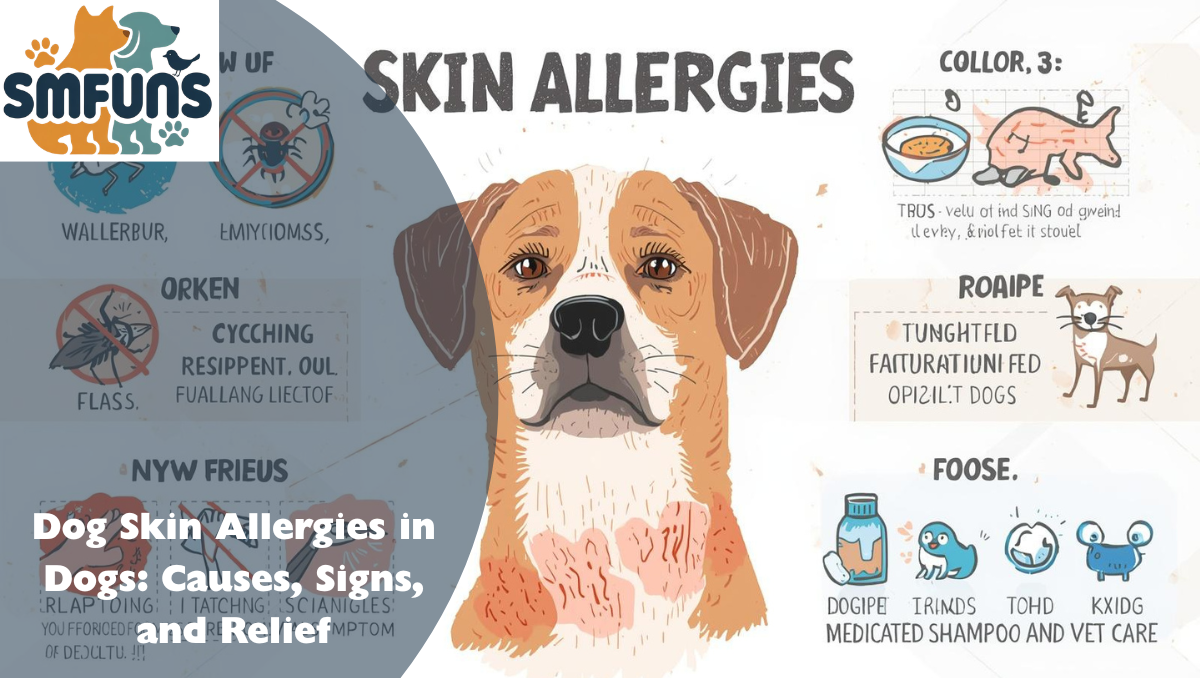
Dog Skin Allergies Explained: Causes, Signs, and Relief
Introduction
Many dog owners in the United States notice their pets constantly scratching, licking their paws, or rubbing against furniture. At first, these behaviors may seem harmless. However, persistent itching often signals a deeper issue. One of the most common reasons behind chronic itching in dogs is dog skin allergies.
Skin allergies are among the most frequent health issues veterinarians treat in dogs. They can cause intense discomfort, hair loss, infections, and ongoing irritation if left untreated. According to veterinary research from the American Kennel Club (http://www.akc.org), allergies are one of the leading causes of dermatological problems in dogs.
Understanding dog skin allergies helps pet owners recognize early warning signs and take the right steps to protect their dog’s health. In this guide, we will explain what causes skin allergies, how they affect dogs, and what practical solutions can bring relief.
What Are Dog Skin Allergies?
Dog skin allergies occur when a dog’s immune system reacts abnormally to a substance that is normally harmless. These substances are called allergens. Once exposed, the immune system overreacts, triggering inflammation in the skin.
This reaction leads to itching, redness, irritation, and sometimes secondary infections. In many cases, dogs scratch so aggressively that they damage their skin barrier.
Veterinary experts from the American Veterinary Medical Association explain that allergies in dogs often present through the skin rather than through respiratory symptoms, as in humans (http://www.avma.org).
Several types of allergens can trigger dog skin allergies, including environmental particles, food ingredients, and parasites.
The good news is that most allergy cases can be managed successfully with proper care, grooming, and preventative hygiene routines.
Common Symptoms of Dog Skin Allergies
Recognizing the symptoms early is essential for protecting your dog from severe discomfort. While every dog reacts differently, most cases of dog skin allergies share several common warning signs.
Persistent Itching and Scratching
The most obvious symptom is constant scratching. Dogs may scratch their ears, neck, belly, or sides repeatedly throughout the day.
Excessive itching often worsens at night or after exposure to allergens like grass or dust.
Red or Inflamed Skin
Another clear indicator of dog skin allergies is redness. Inflamed areas may appear around the paws, belly, ears, or armpits.
These spots often feel warm and irritated.
Paw Licking and Chewing
Dogs with allergies frequently chew or lick their paws. This behavior happens because allergens collect between the toes during walks.
Veterinarians at VCA Animal Hospitals explain that chronic paw licking is one of the most common signs of environmental allergies (http://vcahospitals.com).
Hair Loss or Hot Spots
Constant scratching can lead to bald patches. Dogs may also develop painful hot spots and infected areas caused by excessive licking.
Hot spots can spread quickly if not treated.
Ear Infections
Many dogs with dog skin allergies experience recurring ear infections. The ears may smell bad, appear red, or produce dark discharge.
Pet health experts at PetMD note that chronic ear infections are strongly linked to underlying allergies (http://www.petmd.com).
Understanding these symptoms allows owners to intervene early before allergies escalate into serious skin infections.
Major Causes of Dog Skin Allergies
Not all allergies come from the same source. In fact, dog skin allergies usually fall into three main categories.
Environmental Allergies (Atopic Dermatitis)
Environmental allergens are among the most common triggers of dog skin allergies. These include pollen, dust mites, mold spores, and grass.
Dogs often develop these allergies between the ages of 1 and 3.
The ASPCA explains that environmental allergies typically worsen during certain seasons when pollen levels rise (http://www.aspca.org).
Food Allergies
Food allergies are another possible cause. These reactions occur when a dog’s immune system identifies a specific ingredient as harmful.
Common food allergens include:
Beef
Chicken
Dairy
Eggs
Wheat
Soy
Food allergies can trigger both digestive problems and skin irritation. In many cases, dogs experience chronic itching around the ears and paws.
Cornell University’s College of Veterinary Medicine highlights that food allergies may develop gradually after months or years of eating the same diet (http://www.vet.cornell.edu).
Flea Allergy Dermatitis
Fleas are one of the most severe triggers of dog skin allergies. Some dogs are extremely sensitive to flea saliva.
Even a single flea bite can trigger intense itching for several days.
The Centers for Disease Control and Prevention confirms that fleas are a common parasite affecting household pets across the United States (http://www.cdc.gov).
Proper flea prevention is therefore essential for avoiding allergic reactions.
Breeds More Prone to Dog Skin Allergies
Although any dog can develop allergies, certain breeds are genetically more susceptible to dog skin allergies.
Breeds frequently affected include:
Golden Retrievers
Labrador Retrievers
French Bulldogs
Bulldogs
Terriers
German Shepherds
Shih Tzus
These breeds often have sensitive skin or inherited immune responses that make them more reactive to allergens.
The American Kennel Club explains that genetic predisposition plays a major role in the development of canine allergies (http://www.akc.org).
Owners of these breeds should pay extra attention to grooming routines and skin health.
Why Grooming Matters for Dogs With Allergies
Regular grooming plays a powerful role in controlling dog skin allergies. Allergens frequently collect in a dog’s coat and remain trapped against the skin.
Without proper cleaning, these irritants continue triggering allergic reactions.
Bathing your dog with gentle grooming products removes pollen, dirt, and bacteria that worsen inflammation.
However, overbathing can also damage the skin barrier. Balance is important.
Using mild, hypoallergenic grooming solutions designed for sensitive skin helps maintain healthy skin while reducing irritation.
High-quality grooming tools and skin-safe hygiene products can significantly improve the comfort of dogs with skin allergies.
This is why many experienced pet owners rely on trusted grooming solutions, such as those available through SMFuns, to maintain proper coat and skin care.
The Role of Hygiene in Preventing Allergies
Consistent hygiene routines can dramatically reduce the severity of dog skin allergies.
Simple daily practices make a significant difference.
After outdoor walks, wiping your dog’s paws removes pollen and environmental allergens before they enter your home.
Regular brushing removes trapped particles from the coat. It also improves circulation and distributes natural oils across the skin.
Cleaning bedding and grooming equipment frequently helps reduce allergen buildup.
Veterinary dermatologists also emphasize that keeping skin clean prevents bacteria and yeast from multiplying in irritated areas.
By maintaining proper hygiene, pet owners can prevent minor irritations from turning into severe allergic reactions.
When to See a Veterinarian
Sometimes dog skin allergies become severe and require professional treatment.
Pet owners should consult a veterinarian if they notice:
Persistent itching lasting more than several days
Open sores or bleeding skin
Hair loss patches
Strong odor from skin or ears
Repeated ear infections
Veterinarians may recommend diagnostic testing to identify the specific allergen causing the reaction.
These tests may include skin testing, elimination diets, or blood analysis.
Professional guidance ensures that dogs receive the most effective treatment plan.
Effective Treatments for Dog Skin Allergies
Treating dog skin allergies usually requires a combination of approaches rather than a single solution.
Allergy Medications
Veterinarians sometimes prescribe antihistamines or anti-inflammatory medications to reduce itching.
In more severe cases, immune-modulating drugs may be necessary.
Allergy Shots (Immunotherapy)
Allergy immunotherapy helps dogs gradually build tolerance to allergens.
Although this treatment requires time, it can significantly reduce long-term symptoms.
Specialized Diets
Dogs with food allergies may need limited-ingredient or hydrolyzed diets to eliminate trigger ingredients.
This approach helps identify the exact cause of the allergic reaction.
Skin and Coat Care
Proper skin care is one of the most overlooked treatments for dog skin allergies.
Gentle grooming, regular coat maintenance, and skin-friendly hygiene products protect the skin barrier and reduce inflammation.
Many experienced pet owners use professional grooming tools and skin care products to support healthy coats and prevent irritation.
SMFuns offers grooming solutions designed to help maintain clean, healthy skin for dogs prone to allergies.
How the Environment Affects Dog Skin Allergies
Many owners underestimate how much a dog’s environment contributes to dog skin allergies.
Indoor allergens such as dust mites and mold can trigger year-round reactions.
Meanwhile, outdoor allergens such as grass pollen may trigger seasonal flare-ups.
To reduce exposure, owners should vacuum frequently, wash dog bedding weekly, and avoid heavily pollinated areas during peak allergy seasons.
Air purifiers can also help reduce indoor allergens.
Small environmental changes often produce noticeable improvements in dogs suffering from allergies.
Long-Term Management of Dog Skin Allergies
While dog skin allergies cannot always be cured, they can be managed successfully with the right care routine.
Long-term management involves a combination of veterinary care, grooming practices, and preventative hygiene.
Consistent routines reduce flare-ups and keep dogs comfortable.
Owners who stay proactive about skin health often see dramatic improvements in their dog’s quality of life.
Healthy skin means less itching, fewer infections, and a happier pet.
Conclusion
Dog skin allergies can cause serious discomfort for dogs and frustration for their owners. However, once the causes and symptoms are understood, managing allergies becomes far easier.
Recognizing early warning signs such as itching, paw licking, and skin redness allows owners to intervene quickly. Proper grooming, clean environments, balanced nutrition, and veterinary guidance all play a crucial role in controlling allergic reactions.
High-quality grooming products can also support healthy skin and reduce irritation caused by environmental allergens.
At SMFuns, we focus on providing pet owners with reliable grooming and hygiene products designed to keep dogs comfortable and healthy. Maintaining proper skin care routines helps prevent allergy flare-ups and supports long-term wellness.
Explore professional pet grooming solutions at
https://smfuns.com/
For assistance in choosing the right pet care products, contact us at
+19144085788
Your dog deserves comfort, healthy skin, and a life free from constant itching.
FAQs
Environmental allergens such as pollen, dust mites, and mold are the most common triggers. Flea bites and food ingredients can also cause allergic reactions.
Common symptoms include excessive scratching, paw licking, redness, ear infections, and hair loss. A veterinarian can confirm allergies through diagnostic tests.
Yes. Regular grooming removes allergens from the coat and helps maintain healthy skin. Proper hygiene routines often reduce itching and irritation.
Most allergies cannot be completely cured, but they can be effectively managed through veterinary care, diet adjustments, and consistent skin care routines.
Hypoallergenic grooming products, skin-friendly shampoos, and proper hygiene tools can help protect sensitive skin and reduce allergic flare-ups. High-quality pet care products from SMFuns support healthy skin maintenance.