



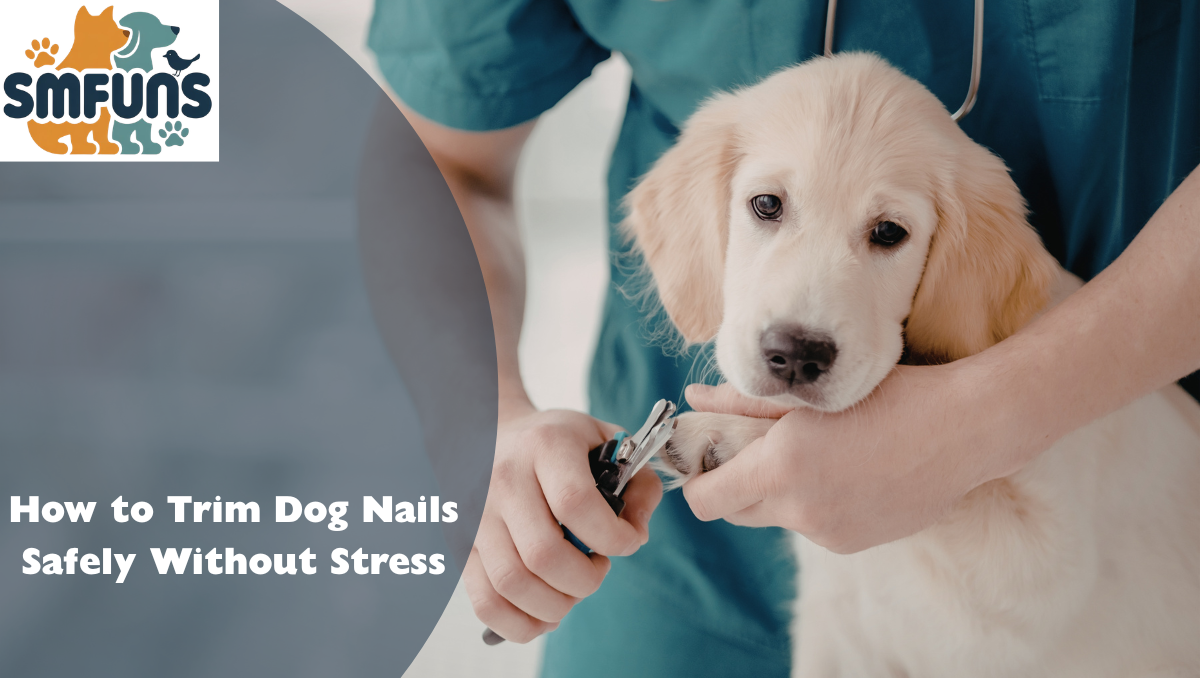
How to Trim Dog Nails Safely
Introduction
Many dog owners feel nervous about nail trimming. Dogs often resist it. Owners worry about hurting their pets. As a result, nail care gets delayed. Unfortunately, long nails can cause pain, posture problems, and even joint issues over time.
Learning to trim a dog’s nails correctly is an essential part of responsible pet care. Healthy nails support proper movement and help dogs walk comfortably. Regular trimming also prevents injuries caused by broken or overgrown nails.
According to the American Kennel Club, nails that touch the floor when a dog stands are already too long. Overgrown nails can split or break. In severe cases, they may even grow into the paw pad. Pet experts explain this in detail at
http://www.akc.org/expert-advice/health/how-to-trim-dogs-nails/
The good news is that trimming your dog’s nails safely at home is completely possible. With the right technique, proper tools, and a calm approach, most dogs learn to accept the process.
This detailed guide will teach you how to trim dog nails safely while keeping your dog relaxed. You will also learn important grooming tips recommended by veterinarians across the United States.
Why Dog Nail Trimming Is Important
Many pet owners underestimate the importance of nail care. However, healthy nails play a major role in a dog’s overall comfort and mobility.
When nails grow too long, they push against the ground. This changes the natural angle of a dog’s paws. Over time, this can strain joints and affect posture.
Veterinary experts from the American Veterinary Medical Association explain that improper nail care can lead to joint stress and foot injuries. You can read their guidance here:
http://www.avma.org/resources/pet-owners/petcare/dog-care
Long nails can also cause painful breaks. Dogs that run or jump often develop torn nails when their nails grow too long.
Regular trimming prevents several common problems:
Nail splitting
Painful walking
Posture imbalance
Joint stress
Accidental nail tears
For this reason, every dog owner should understand how to trim dog nails safely and confidently.
Signs Your Dog’s Nails Are Too Long
Many dog owners are unsure when trimming is necessary. Fortunately, dogs show clear signs when their nails need attention.
The most obvious sign is clicking sounds on hard floors. If you hear nails tapping while your dog walks, they are already too long.
Another sign is difficulty walking on smooth surfaces. Dogs may slip more often when nails grow excessively.
You may also notice the nails starting to curve downward.
Pet health specialists at PetMD explain nail growth and trimming frequency in detail:
http://www.petmd.com/dog/grooming/how-trim-dog-nails
Other signs include:
Dogs chewing their paws
Red or irritated paw pads
Uneven walking posture
Understanding these warning signs helps owners maintain regular grooming routines.
Understanding Dog Nail Anatomy
Before learning how to trim dog nails, it is important to understand nail anatomy.
A dog’s nail contains a sensitive inner structure called the quick. This part contains blood vessels and nerves.
Cutting into the quick causes pain and bleeding. That is why trimming must be done carefully.
Light-colored nails make the quick easy to see. It appears as a pink area inside the nail.
Dark nails require more caution. The quick cannot be seen easily, so trimming must be gradual.
Veterinary experts from VCA Animal Hospitals provide a clear explanation of nail anatomy here:
http://vcahospitals.com/know-your-pet/nail-trimming-in-dogs
Knowing the nail’s structure helps owners trim confidently and safely.
Essential Tools for Dog Nail Trimming
The right grooming tools make a huge difference. Poor-quality tools increase the risk of accidents.
High-quality dog nail clippers offer better control and cleaner cuts.
Most veterinarians recommend the following tools:
Dog nail clippers
Nail grinder
Styptic powder
Treats for positive reinforcement
Non-slip grooming surface
Professional groomers also recommend nail grinders for smoothing sharp edges after trimming.
Using reliable grooming tools helps ensure safe nail care. Many experienced pet owners prefer professional-grade grooming supplies available from specialized pet stores like SMFuns because they are designed for comfort and safety.
Proper tools make it much easier for beginners to learn how to trim dog nails.
Preparing Your Dog Before Nail Trimming
Preparation is the key to stress-free grooming.
Dogs feel more comfortable when grooming becomes part of a routine.
Start by handling your dog’s paws regularly. This builds trust and reduces sensitivity.
Give treats during paw handling sessions. Positive reinforcement helps dogs associate grooming with rewards.
Experts from the ASPCA recommend gradual desensitization for grooming tasks. Their behavioral guidance is available here:
http://www.aspca.org/pet-care/dog-care
Follow these preparation steps:
Choose a quiet environment
Use a calm voice and slow movement.s
Trim nails after exercise when the dog is relaxed
Reward calm behavior
These steps make it much easier to practice trimming dog nails successfully.
Step-by-Step Guide on How to Trim Dog Nails
Learning the correct trimming technique prevents injuries and stress.
Position Your Dog Comfortably
Start by placing your dog in a comfortable position. Smaller dogs can sit on your lap. Larger dogs may lie beside you.
Hold the paw gently but firmly.
Identify the Safe Cutting Area
Look closely at the nail tip. Avoid the quick.
Cut only the curved portion of the nail.
Trim Small Sections
Cut small pieces instead of large chunks. This reduces the risk of hitting the quick.
If the nail begins to show a gray or pink center, stop trimming.
Use a Nail Grinder for Smooth Edges
After trimming, use a nail grinder to smooth rough edges.
This prevents scratching and improves comfort.
Reward Your Dog
Always give treats and praise after trimming.
Positive reinforcement makes future grooming easier.
Following this process helps dog owners learn to trim their dog’s nails safely.
How Often Should Dog Nails Be Trimmed
Trimming frequency depends on several factors.
Active dogs that walk on pavement naturally wear down their nails. These dogs may only require trimming every 4 to 6 weeks.
Indoor dogs usually need more frequent nail care.
Veterinarians commonly recommend trimming every three to four weeks.
According to the AKC nail care guide:
http://www.akc.org/expert-advice/health/how-to-cut-dogs-nails-safely/
Regular maintenance prevents nails from becoming overgrown.
Consistent grooming routines also make it easier for dogs to tolerate the process.
What To Do If You Cut the Quick
Even experienced groomers occasionally cut the quick.
The key is staying calm.
Apply styptic powder immediately. This stops bleeding within seconds.
Cornstarch can also help if styptic powder is unavailable.
Veterinary guidance from Cornell University explains proper nail injury care here:
http://www.vet.cornell.edu/departments-centers-and-institutes/cornell-feline-health-center
If bleeding continues for more than ten minutes, contact a veterinarian.
Learning how to trim dog nails safely includes knowing how to handle small accidents.
Nail Grinding vs Nail Clipping
Many owners wonder whether grinders are better than clippers.
Both tools have advantages.
Clippers work quickly and efficiently. They are ideal for routine trimming.
Grinders provide more precision and smoother results. They are especially useful for dogs with thick nails.
Pet health experts often recommend using both tools together.
Trim with clippers first. Then, smooth the nail using a grinder.
Using professional grooming tools from trusted pet care suppliers, such as SMFuns, helps achieve salon-quality results at home.
Common Dog Nail Trimming Mistakes
Even responsible pet owners sometimes make grooming mistakes.
Understanding these errors helps prevent injuries.
One common mistake is cutting too much nail at once.
Another mistake is trimming nails too infrequently. This causes the hair to grow longer.
Many owners also rush the process. Dogs sense stress and may resist grooming.
Experts from the Centers for Disease Control also highlight the importance of proper pet handling to prevent injuries. Their pet safety resources are available here:
http://www.cdc.gov/healthypets/pets/dogs.html
Avoiding these mistakes improves your success when learning how to trim dog nails.
Helping Nervous Dogs Accept Nail Trimming
Some dogs strongly dislike nail trimming.
However, patience and training usually solve the problem.
Start with short grooming sessions. Trim only one or two nails at first.
Gradually increase the number of nails trimmed during each session.
Use high-value treats and praise.
Professional trainers recommend pairing grooming sessions with rewards to reduce anxiety.
Reliable grooming tools and comfortable paw-care products can also improve the experience for sensitive dogs.
High-quality grooming supplies designed for comfort, like those offered by SMFuns, help create safer, calmer nail-trimming routines.
Conclusion
Nail trimming is an essential part of dog health and grooming. When nails grow too long, they cause discomfort, posture problems, and even injuries.
Fortunately, learning how to trim dog nails safely is easier than most pet owners think. With the right tools, proper preparation, and a calm approach, nail trimming can become a simple part of your dog’s routine care.
Regular grooming protects your dog’s paws and improves mobility. It also prevents painful nail injuries.
Using professional grooming tools and paw-care products makes the process much safer and easier. High-quality pet grooming solutions available at SMFuns help dog owners maintain salon-quality grooming at home.
Explore premium pet grooming tools and hygiene products designed for safe nail care at:
For assistance or product guidance, contact our pet care team:
+19144085788
FAQs
Dog nails should be trimmed just before the quick. When a dog stands, the nails should not touch the floor.
Long nails can cause joint strain, painful walking, and an increased risk of nail tears.
Both methods work well. Clippers remove length quickly, while grinders smooth the nail and reduce sharp edges.
Most dogs need trimming every three to four weeks. However, active outdoor dogs may require less frequent trimming.
Yes. With proper tools, patience, and the correct technique, most pet owners can safely learn how to trim dog nails at home.
