

Introduction
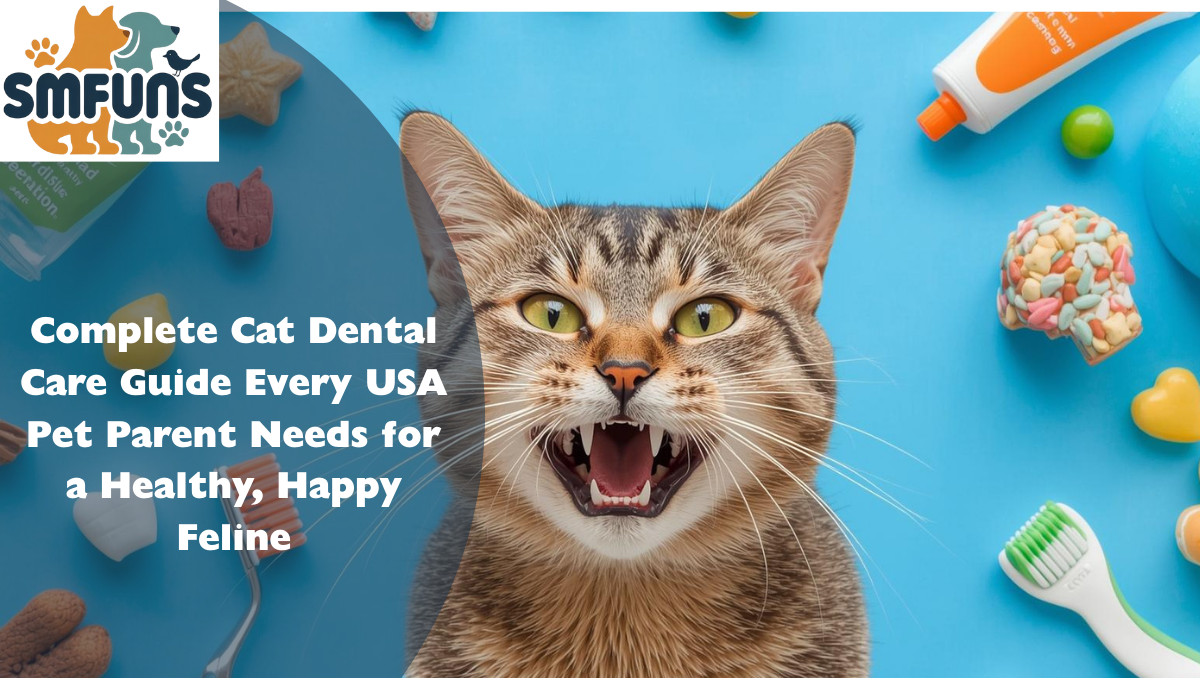
Every cat owner in the USA knows that a healthy, purring companion means more than just feeding and cuddling. Yet, one of the most overlooked aspects of feline wellness is oral hygiene. This detailed cat dental care guide walks you through crucial steps to prevent dental disease, reduce bad breath, and protect your cat from painful dental problems. Dental issues are common in cats, especially as they age, and left unaddressed, they can lead to more serious systemic problems affecting your cat’s heart, kidneys, and overall quality of life. With the right knowledge and tools—from regular brushing routines to effective dental chews—your cat can enjoy lifelong oral health. According to veterinary experts, good dental care prevents plaque buildup, tartar formation, and gingivitis, ensuring your cat stays happy and healthy well into their golden years. http://www.petmd.com /cat/conditions/mouth/c_ct_dental_disease
Why Dental Care Matters for Cats
Dental health is central to your cat’s overall well‑being. Cats are good at hiding pain, especially mouth discomfort. Signs of dental distress can be subtle, such as a slight loss of appetite, a preference for softer foods, or mild halitosis. The American Veterinary Medical Association confirms that dental disease is among the most common health issues in cats, with over 70% showing signs by age three. https://www.avma.org/resources/pet-owners/petcare/canine-and-feline-dental-health
When dental issues go unchecked, plaque and bacteria accumulate. This leads to gingivitis, periodontal disease, and tooth loss—each of which can influence your cat’s health far beyond the mouth. The Cornell Feline Health Center states that bacteria from diseased gums can enter the bloodstream and affect organs like the heart and kidneys. https://www.vet.cornell.edu/departments-centers-and-institutes/cornell-feline-health-center/health-information/feline-health-topics/bad-breath-sign-illness
That’s why proactive care—with insight from this cat dental care guide—is essential.
Understanding Feline Dental Problems
Before you introduce a dental routine, you must understand the common issues cats face.
Plaque and Tartar Build‑Up
Immediately after your cat eats, a thin layer of bacteria known as plaque forms on their teeth. Without removal, this hardens into tartar. Tartar traps more bacteria and irritates gums, leading to gingivitis. The ASPCA highlights that tartar buildup is the first step toward long‑term dental disease. https://www.aspca.org/pet-care/cat-care/cat-dental-care
Left untreated, tartar causes painful infections and tooth loss.
Gingivitis and Periodontal Disease
Gingivitis is the inflammation of the gums. If untreated, it progresses to periodontal disease, affecting tooth roots and bone. According to VCA Hospitals, periodontal disease is the most frequent oral disorder in cats and can be painful even when your cat hides the discomfort well. https://vcahospitals.com/know-your-pet/dental-disease-in-cats
Early detection and cleaning can prevent these conditions.
Tooth Fractures and Mouth Trauma
Cats can break teeth from playing with hard objects, jumping, or chewing on tough items. A fractured tooth exposes nerves, leading to severe pain and infection. PetMD notes that trauma is a hidden but serious aspect of feline dental health. http://www.petmd.com /cat/conditions/mouth/c_ct_dental_disease
Oral Tumors and Disease
Though less common, oral tumors can occur in cats. Regular dental exams help veterinarians catch abnormal growths early. The American Cancer Society reports that early detection improves treatment outcomes. https://www.cancer.org /cancer/cancer-in-cats.html
Key Steps in Your Cat’s Dental Care Routine
The right routine can make all the difference. This section breaks down actionable steps for everyday care.
Start With Regular Veterinary Dental Checkups
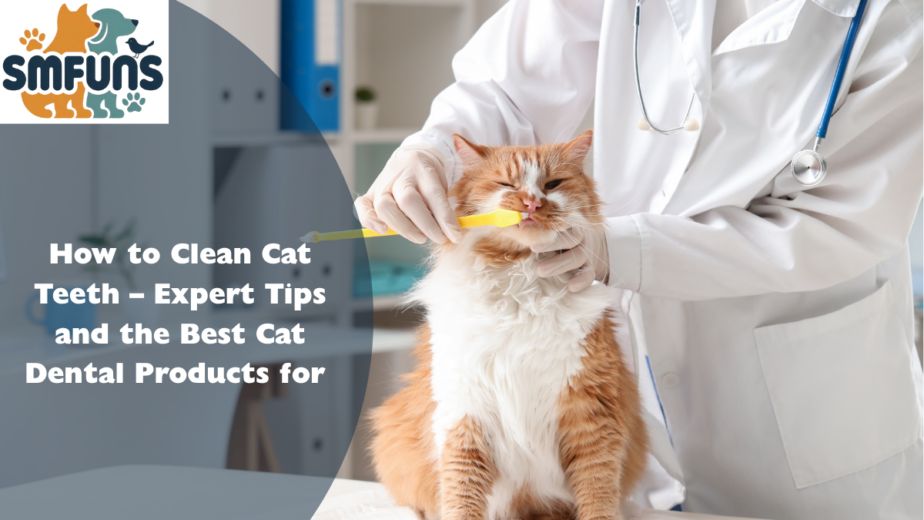
Professional dental exams are the foundation of good oral health. Most veterinarians recommend a dental check at least once a year. During checkups, vets look for early signs of gingivitis, tartar buildup, and other abnormalities. If needed, they perform deep cleanings under anesthesia to remove tartar below the gumline where brushing can’t reach.
Early dental care prevents costly procedures later.
Brush Your Cat’s Teeth Daily
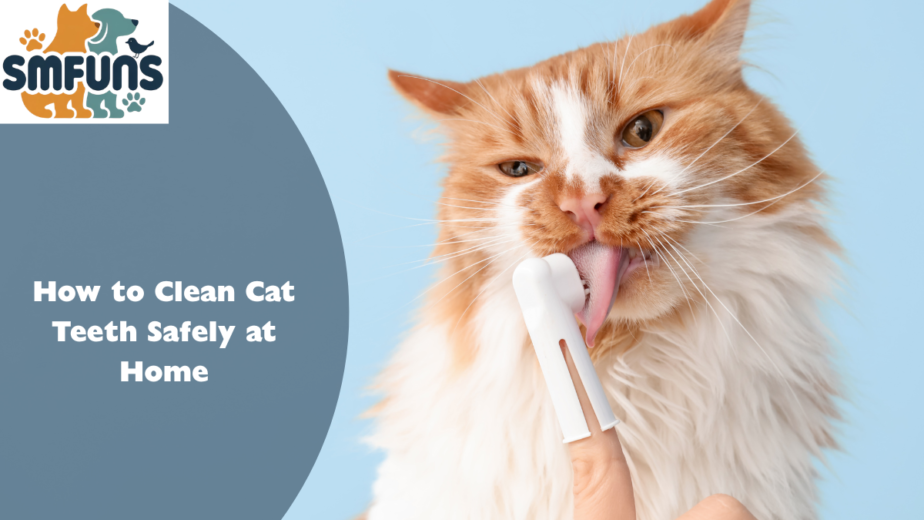
Brushing is the most effective way to remove plaque before it becomes tartar. While it can be intimidating at first, patience and consistency can turn brushing into a habit your cat tolerates.
Start slow. Begin by getting your cat comfortable with the taste of feline toothpaste. Never use human toothpaste—it can be harmful. Then, use a soft brush designed for cats. The Cornell Feline Health Center explains that building this habit early pays off in the long term. https://www.vet.cornell.edu /departments-centers-and-institutes/cornell-feline-health-center/health-information/feline-health-topics/dental-care-basics
At SMFuns, we offer gentle, cat‑friendly toothbrushes and enzymatic toothpastes that make brushing easier and more enjoyable for your feline friend.
Use Dental Gels and Rinses
If your cat resists brushing, dental gels and rinses are excellent alternatives. These products reduce bacterial growth and plaque formation. Look for gels containing enzymes that naturally break down bacteria. These solutions work between brushings and help maintain fresher breath.
Choosing the Right Dental Products for Your Cat
Effective dental care products give you results.
Cat‑Specific Toothbrushes and Toothpaste
Choose a toothbrush with soft bristles designed for small feline mouths. Finger brushes are helpful for beginners. Pair them with an enzymatic toothpaste formulated for cats.
SMFuns offers a variety of toothbrushes and toothpastes to suit all comfort levels. This ensures your routine remains stress‑free and effective.
Dental Chews and Treats
Veterinary Oral Health Council (VOHC)‑approved dental chews help scrape plaque as your cat chews. They also promote jaw exercise, which benefits oral health.
Not all treats are created equal. Choose treats that actually support dental hygiene, rather than just masking bad breath.
Water Additives for Plaque Control
Water additives dissolve in your cat’s water bowl and help reduce bacterial growth in the mouth. These are especially useful for cats who won’t submit to brushing.
Additives work alongside brushing and dental treats to keep plaque under control.
Diet and Its Role in Dental Health
What your cat eats plays a big role in dental care.
Dry Food vs. Wet Food
Dry kibble can help mechanically reduce plaque, though it’s not a substitute for brushing. Some dental diets are designed to help scrape teeth while your cat eats. Meanwhile, wet food provides hydration but may leave residue that can contribute to bacterial buildup.
A combination diet, along with proper dental care, is ideal.
Dental‑Specific Nutrition
Special dental cat foods are formulated to reduce plaque and tartar accumulation. The delicious formula encourages chewing and helps keep teeth cleaner.
Purina, a trusted pet nutrition authority, explains how diet supports oral health. https://www.purina.com/articles/cat/health/dental/cat-dental-health
Recognizing Dental Problems Early
Monitoring your cat at home helps you catch problems quickly.
Common Signs of Dental Trouble
Be aware of:
- Bad breath
• Drooling or pawing at the mouth
• Loss of appetite
• Red or bleeding gums
• Yellow or brown buildup on teeth
If you notice any of these, schedule a vet visit.
The ASPCA provides thorough guidance on signs that warrant concern. https://www.aspca.org/pet-care/cat-care/cat-dental-care
What to Do If Your Cat Resists Dental Care
Some cats simply won’t tolerate brushing. Try these strategies:
- Use flavored enzymatic toothpaste
• Reward with healthy treats after brushing
• Introduce dental toys that encourage chewing
• Try dental rinses or water additives
Consistency and positive reinforcement help build comfort over time.
Dental Care at Different Life Stages
Dental needs change as your cat ages.
Kittens (0–1 Year)
Start dental hygiene early. Introduce the toothbrush and toothpaste gently. Early exposure makes habits stick.
Adult Cats (1–7 Years)
Adult cats benefit most from a full routine: daily brushing, dental treats, and periodic professional cleanings.
Senior Cats (7+ Years)
Older cats are more prone to periodontal disease. More frequent dental exams and deep cleanings help prevent systemic issues. The American Veterinary Medical Association emphasizes tailored care as cats age. https://www.avma.org/resources/pet-owners/petcare/canine-and-feline-dental-health
Conclusion
This comprehensive cat dental care guide empowers USA cat owners with the knowledge to maintain lifelong oral health for their felines. Dental disease doesn’t develop overnight, but with consistent care, you can prevent pain, bad breath, and costly veterinary treatments. From daily brushing with cat‑specific products and dental chews to routine vet exams and smart diet choices, every step you take improves your cat’s quality of life.
At SMFuns, we offer a full range of dental care products designed to make your routine effective and stress‑free. Whether you need a gentle toothbrush, enzymatic toothpaste, or VOHC‑approved dental treats, we have your cat’s oral health covered. Visit https://smfuns.com/ or call +19144085788 to explore our collection and keep your cat’s smile bright.
Call To Action: For premium dental care products that make feline oral hygiene easier and more effective, explore https://smfuns.com/ or call +19144085788. Keep your cat’s teeth clean and their purr strong!
FAQs
Ideally, daily, but ata minimum, several times a week. Consistency prevents plaque and tartar buildup.
Dental chews help, but they don’t replace brushing. They work best alongside a brushing routine.
Look for bad breath, yellow teeth, red gums, drooling, and reluctance to eat. These are common signs of dental problems.
Yes. Water additives help reduce bacteria and support oral hygiene, especially for cats that resist brushing
If you notice persistent bad breath, bleeding gums, or loss of appetite, see your veterinarian promptly.