


How to Clean Cat Teeth at Home: A Complete USA Pet Owner Guide
Introduction
Many cat owners assume their pets naturally maintain healthy teeth. Unfortunately, that belief often leads to serious dental problems. Learning how to clean a cat’s teeth properly can prevent painful oral diseases, reduce bad breath, and improve your cat’s overall health.
Dental disease is one of the most common health issues in cats across the United States. Plaque forms quickly on feline teeth, and if it is not removed, it hardens into tartar. Over time, this buildup can cause gum inflammation, tooth loss, and dangerous infections.
Fortunately, pet owners can prevent many dental problems by learning to clean their cat’s teeth at home. With the right grooming tools, proper brushing techniques, and a consistent routine, maintaining your cat’s oral health becomes much easier.
This comprehensive guide explains how to clean cat teeth safely, which tools work best, and how high-quality grooming products from SMFuns can support your cat’s long-term dental health.
Why Cat Dental Care Is Critical for Long-Term Health
Cats rely on their teeth for eating, grooming, and defending themselves. When dental problems occur, they affect many aspects of daily life.
Plaque begins to form within hours of eating. Bacteria mix with saliva and food particles, creating a sticky film on the teeth.
If plaque remains on the teeth, it turns into tartar. Tartar irritates the gums and leads to periodontal disease.
The American Veterinary Medical Association explains that periodontal disease affects a large percentage of adult cats and can lead to serious health complications.
http://www.avma.org/resources-tools/pet-owners/petcare/pet-dental-care
Bacteria from infected gums may enter the bloodstream. These bacteria can harm organs such as the heart, kidneys, and liver.
That is why veterinarians strongly encourage cat owners to learn to clean their cats’ teeth regularly.
Signs Your Cat Needs Immediate Dental Care
Cats rarely show obvious signs of pain. However, several symptoms indicate dental problems.
Bad breath is one of the earliest warning signs. Persistent odor usually signals bacterial buildup.
Another common sign is red or swollen gums.
Cats may also drool excessively or paw at their mouths when they are in discomfort.
According to PetMD, cats with dental disease may stop eating hard food or chew only on one side of the mouth.
http://www.petmd.com/cat/general-health/cat-dental-care
Visible yellow or brown tartar along the gumline also indicates plaque buildup.
Recognizing these symptoms early helps owners understand why learning how to clean a cat’s teeth becomes essential.
Understanding Plaque and Tartar in Cats
Before learning how to clean a cat’s teeth, it helps to understand what causes dental problems.
Plaque forms when bacteria attach to the tooth surface. This layer appears soft and sticky.
If plaque remains for several days, minerals in saliva harden it into tartar.
Tartar cannot be removed with simple brushing once it forms.
The Cornell Feline Health Center explains that untreated tartar leads to gingivitis and periodontal disease.
http://www.vet.cornell.edu/departments-centers-and-institutes/cornell-feline-health-center
Preventing plaque buildup through brushing remains the most effective way to maintain feline dental health.
Tools You Need to Clean Cat Teeth at Home
Learning how to clean a cat’s teeth starts with choosing the right dental tools.
The right products make brushing easier and safer for both pets and owners.
Cat Toothbrushes
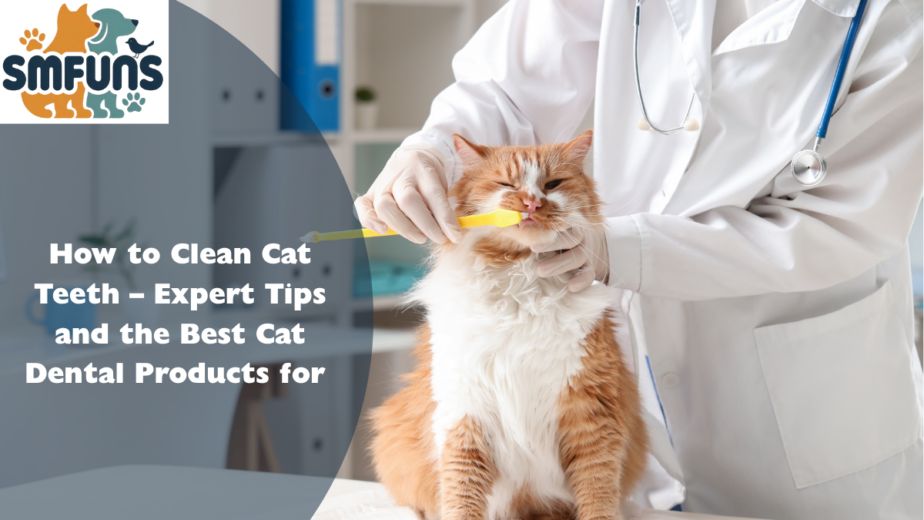
Cat toothbrushes have smaller heads and softer bristles than human brushes.
These brushes allow owners to reach tight areas in the mouth.
Soft bristles protect delicate feline gums.
Veterinary experts at VCA Hospitals recommend using toothbrushes designed specifically for pets.
http://www.vcahospitals.com/know-your-pet/brushing-teeth-in-cats
Cat-Safe Toothpaste
Human toothpaste contains ingredients that may harm cats.
Fluoride and xylitol can be dangerous for pets.
Pet-safe toothpaste contains gentle ingredients that cats can swallow safely.
Many formulas include poultry or seafood flavors to make brushing easier.
Finger Toothbrushes
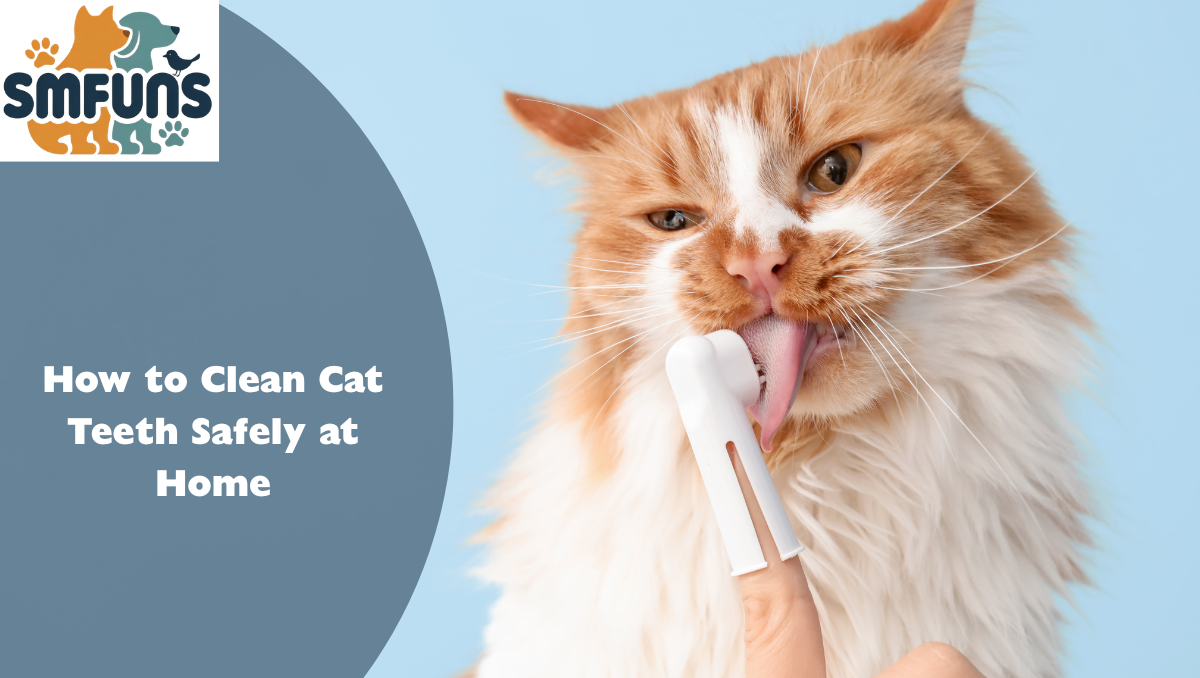
Finger brushes offer better control for beginners.
They allow owners to feel the pressure applied during brushing.
Finger brushes also help cats adjust gradually to dental care.
Many cat owners combine these tools with high-quality grooming products from SMFuns to create a complete hygiene routine.
Step-by-Step Guide on How to Clean Cat Teeth
Learning how to clean a cat’s teeth becomes easier when following a simple step-by-step process.
Introduce Toothpaste First
Allow your cat to smell and taste the toothpaste.
Place a small amount on your finger.
Most cats enjoy the flavor and accept it quickly.
Choose a Calm Environment
Pick a quiet area where your cat feels relaxed.
Avoid brushing during stressful situations.
Lift the Lips Gently
Lift the lips slightly to expose the teeth.
You do not need to open the mouth fully.
Focus on the outer surfaces of the teeth.
Use Gentle Circular Motions
Brush along the gumline using small circular motions.
Plaque usually forms where teeth meet the gums.
The ASPCA recommends brushing slowly to avoid frightening the cat.
http://www.aspca.org/pet-care/cat-care/cat-dental-care
Keep Sessions Short
Start with short brushing sessions.
Gradually increase brushing time as your cat becomes comfortable.
Following these steps helps owners learn to clean their cat’s teeth effectively.
How Often Should You Clean Cat Teeth
Veterinarians recommend brushing a cat’s teeth daily.
Daily brushing removes plaque before it hardens into tartar.
However, brushing three to four times per week still offers strong protection.
The American Veterinary Dental College emphasizes that consistent brushing significantly reduces the risk of periodontal disease.
http://www.avdc.org
Even brief brushing sessions make a meaningful difference.
Consistency matters more than perfection when learning to clean a cat’s teeth.
Alternative Cat Dental Care Methods
Brushing remains the most effective method. However, other tools support dental health.
Dental Treats
Dental treats help reduce plaque during chewing.
They also freshen breath.
Water Additives
Water additives reduce oral bacteria.
They provide extra protection between brushing sessions.
Dental Wipes
Dental wipes remove plaque when brushing is difficult.
Many cat owners combine these methods with professional grooming tools from SMFuns to maintain a complete hygiene routine.
This combination improves both dental and overall grooming health.
When Professional Veterinary Dental Cleaning Is Necessary
Even cats with excellent home care may require occasional professional dental cleanings.
Veterinarians use specialized tools to remove tartar below the gumline.
Professional cleaning prevents advanced periodontal disease.
The American Animal Hospital Association recommends regular dental exams for cats to detect oral problems early.
http://www.aaha.org/your-pet/pet-owner-education/ask-aaha/dental-care
Routine brushing combined with veterinary checkups offers the best dental protection.
Regularly cleaning a cat’s teeth reduces the need for frequent professional cleanings.
Building a Stress-Free Cat Dental Routine
Cats respond best to routines.
Start brushing when your cat feels calm.
Pair brushing sessions with grooming or playtime.
Reward your cat after each session.
Positive reinforcement encourages cooperation.
Many pet owners include dental care in their regular grooming routines.
Using professional grooming tools alongside dental care products helps create a complete hygiene routine.
High-quality grooming solutions available at SMFuns make this process easier for busy pet owners.
Common Mistakes Cat Owners Make
Many owners attempt brushing but stop due to common mistakes.
Using human toothpaste is one of the biggest errors.
Human toothpaste can harm pets.
Another mistake involves forcing the cat’s mouth open.
Cats tolerate brushing better when owners focus only on the outer tooth surfaces.
Skipping regular brushing also allows plaque to accumulate quickly.
Understanding these mistakes helps owners improve their approach to cleaning cat teeth.
Long-Term Benefits of Cat Dental Care
Regular dental care offers many long-term benefits.
First, brushing prevents gum infections.
Second, it eliminates bad breath.
Third, healthy teeth allow cats to chew food comfortably.
The American Kennel Club notes that good oral hygiene improves overall pet health and longevity.
http://www.akc.org/expert-advice/health/pet-dental-care
Consistent dental care also reduces the need for expensive veterinary treatments later.
Learning how to clean a cat’s teeth protects both your cat’s health and your budget.
Conclusion
Cat dental care often receives less attention than it deserves. However, maintaining oral hygiene remains essential for feline health.
Learning how to clean a cat’s teeth helps prevent plaque buildup, gum disease, and painful infections. Regular brushing improves breath, protects teeth, and supports overall wellness.
With the right tools, proper brushing techniques, and consistent care, cat owners can maintain their pet’s dental health at home.
High-quality grooming and hygiene products available at SMFuns help simplify pet care routines for busy cat owners.
Explore trusted grooming solutions designed to keep pets healthier.
Visit:
https://smfuns.com/
For assistance, call:
+19144085788
FAQs
Daily brushing offers the best protection. However, brushing three to four times per week still significantly reduces plaque buildup.
No. Human toothpaste may contain toxic ingredients for pets. Always use pet-safe toothpaste when learning to clean a cat’s teeth.
Veterinarians recommend starting dental care during kittenhood. Early training helps cats accept brushing throughout life.
Start slowly with finger brushes or dental wipes. Gradually introduce toothbrushes as your cat becomes comfortable with them.
No. Dental treats support oral health but cannot replace brushing. Brushing remains the most effective method for removing plaque.