


Cat Hairball Prevention – The Complete Guide for Healthier, Happier Cats and Cleaner American Homes
Hairballs are one of the most common and frustrating issues for cat owners in the United States. The sound of your cat retching on the carpet, followed by a sticky mess on your floor, is something every pet parent wants to avoid. Effective cat hairball prevention is not just about cleaning up less often. It is about protecting your cat’s digestive health, reducing shedding, and improving your cat’s coat condition. Hairballs form when loose fur is swallowed during self-grooming and accumulates in the stomach. While occasional hairballs are normal, frequent episodes often indicate that your cat’s grooming routine, diet, or hydration needs improvement. The ASPCA cat care resource (https://www.aspca.org/pet-care/cat-care/general-cat-care) explains that regular coat maintenance and proper nutrition play a critical role in minimizing hairball formation. When you address the root causes, you create a healthier and more comfortable life for your cat.
Understanding the Real Cause of Hairballs and Why Cat Hairball Prevention Matters
Cats are naturally clean animals, and they spend a large portion of their day grooming themselves. During this process, tiny hook-like structures on the tongue pull loose hair into the mouth. Most of this fur passes through the digestive system without a problem. However, when too much hair is swallowed, it forms a dense mass in the stomach that must be expelled. PetMD’s hairball health guide (https://www.petmd.com/cat/conditions/digestive/hairballs-cats) notes that excessive shedding, lack of brushing, and digestive issues are the primary reasons hairballs become frequent. A structured cat hairball prevention routine removes loose fur before your cat can swallow it and supports smooth digestion, so hair passes naturally through the body rather than being vomited.
Cat Hairball Prevention Starts With Regular Brushing
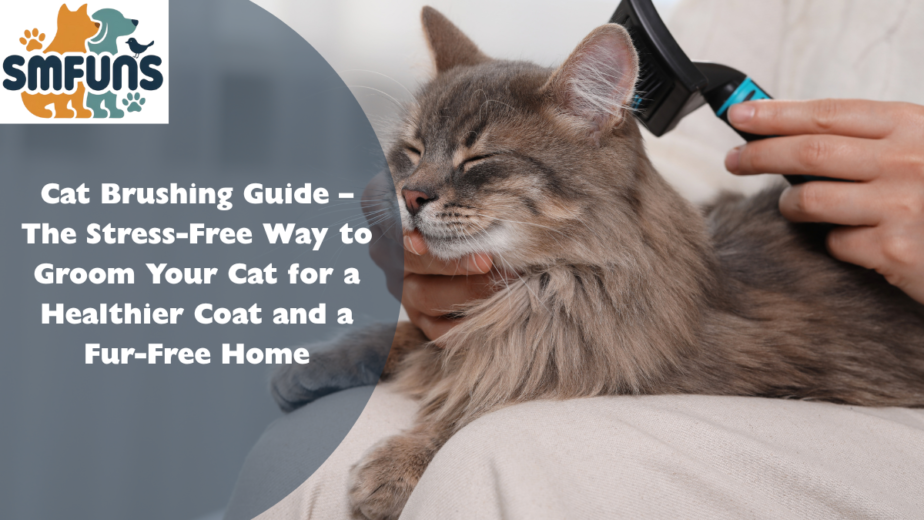
The most effective way to reduce hairballs is to remove loose fur from your cat’s coat before it is ingested. Consistent brushing dramatically lowers the amount of hair your cat swallows during self-grooming. VCA Animal Hospitals (https://www.vcahospitals.com/know-your-pet/hairballs-in-cats) emphasizes that routine grooming is the first and most important step in controlling hairballs. A proper cat hairball prevention routine includes using grooming tools designed for your cat’s coat length and density. High-quality brushes gently reach the undercoat, where most loose fur collects, and prevent it from becoming a digestive problem. Professional grooming tools available at SMFuns make this process faster, safer, and more comfortable for both the cat and the owner.
How Nutrition Supports Cat Hairball Prevention
A balanced diet plays a major role in reducing hairballs. Cats that receive high-quality food with adequate fiber and essential fatty acids experience healthier skin, stronger hair follicles, and improved digestion. The American Veterinary Medical Association nutrition resource (https://www.avma.org/resources/pet-owners/petcare/cat-nutrition-tips) explains that proper nutrition helps the digestive system function efficiently, allowing ingested hair to pass naturally. Omega fatty acids also improve coat condition, which means less shedding and fewer loose hairs to swallow. Fresh water intake is equally important because dehydration slows digestion and increases the risk of hairball formation in the stomach.
Cat Hairball Prevention for Long-Haired Cats
Long-haired breeds are at a higher risk of hairball formation because their coats trap more loose fur. Daily brushing is essential for these cats to keep their coat free from tangles and excess hair. The Cornell Feline Health Center (https://www.vet.cornell.edu/departments-centers-and-institutes/cornell-feline-health-center) highlights that coat maintenance is directly linked to digestive health in long-haired cats. A consistent cat hairball prevention routine that includes deep grooming sessions and skin-conditioning products significantly reduces the frequency and improves overall comfort.
The Role of Hydration in Preventing Hairballs
Water helps move hair smoothly through the digestive tract. Cats that do not drink enough water are more likely to experience constipation and hairball buildup. Providing fresh water sources and moisture-rich diets supports healthy digestion. The CDC Healthy Pets Guide (https://www.cdc.gov/healthypets/pets/cats.html) also recommends proper hydration as part of a preventive care routine for indoor cats in American households.
Cat Hairball Prevention Through Coat Health and Skin Care
Healthy skin produces strong, resilient fur that sheds less. When the coat is dry or damaged, hair breaks and falls out more easily, increasing the amount your cat swallows. Pet parents who use high-quality grooming and hygiene products see a noticeable reduction in loose fur and hairball frequency. Premium coat-care solutions available at SMFuns are designed to maintain skin hydration and coat strength, which directly supports long-term cat hairball prevention.
How to Reduce Cat Hairballs With a Stress-Free Grooming Routine
Stress can increase excessive grooming, leading to greater hair ingestion. Creating a calm brushing routine in a quiet environment helps your cat relax and reduces overgrooming behavior. The AKC grooming advice (https://www.akc.org/expert-advice/health/how-to-groom-a-cat/) confirms that gentle, consistent grooming improves both coat health and emotional well-being. When brushing becomes a bonding activity rather than a struggle, your cat naturally ingests less fur.
Indoor Cats and Year-Round Hairball Control in the USA
Indoor cats often shed continuously because artificial lighting and stable temperatures disrupt natural seasonal coat cycles. This means cat hairball prevention must be a year-round routine rather than a seasonal effort. Increasing brushing frequency during heavy shedding periods and maintaining a consistent grooming schedule helps keep loose fur under control and protects digestive health.
When Hairballs Indicate a Health Problem
Occasional hairballs are normal, but frequent vomiting, constipation, loss of appetite, or lethargy may indicate an underlying issue. The ASPCA and VCA both advise seeking veterinary care if hairballs become persistent or are accompanied by other symptoms. Early diagnosis ensures your cat receives the treatment needed to stay healthy and comfortable.
Building the Perfect Daily Routine for Cat Hairball Prevention
A successful routine includes regular brushing to remove loose fur, a nutrient-rich diet that supports digestion, proper hydration, and consistent coat care. Over time, this approach reduces vomiting, improves coat shine, and keeps your home cleaner. Using professional grooming tools and hygiene products makes this routine easier to maintain and more effective for busy American pet owners.
Conclusion – A Hairball-Free Life Starts With the Right Cat Hairball Prevention Plan
Effective cat hairball prevention is not about reacting to the mess after it happens. It is about stopping the problem at its source through grooming, nutrition, hydration, and proper coat care. When you follow a structured routine, your cat experiences better digestive health, less shedding, and greater overall comfort. For pet owners in the USA seeking professional results at home, SMFuns offers high-quality grooming and hygiene solutions to reduce loose fur and promote a healthier coat. Start your hairball prevention routine today and give your cat the comfort they deserve.
Shop now:
https://smfuns.com/
Call or text: +19144085788
FAQs
Regular brushing several times a week, and daily for long-haired cats, provides the best results.
A high-quality diet with fiber and omega fatty acids supports digestion and reduces shedding.
Occasional hairballs are normal, but frequent episodes can indicate digestive or grooming issues.
Yes, indoor cats shed year-round, which increases the risk of hairball formation.
Yes, proper grooming tools remove loose fur before it is swallowed, which significantly lowers hairball frequency.